Dear MRI Insider,
What factors contribute to safety events in the MRI suite? It turns out that many events are caused by patients who are referred for MRI scans but who have contraindications for the modality.
Unexpected implants or foreign bodies also are important contributory factors, according to the main findings of new research into MRI safety incidents at over 70 sites.
To improve the situation, more sharing of safety events and better data on contrast reactions and wider incidents are vital. Also, better classification of MR-related incidents is necessary for clearer comparisons of practice and improved benchmarking of safety management, Darren Hudson, MRI clinical lead for the InHealth Group, told attendees at last month's U.K. Radiological Conference. Click here for the full story.
The field-strength debate continues to rage on in MRI, it seems. Often at the heart of the discussion is whether 7-tesla machines are ready and suitable for clinical use. A respected group from Berlin has offered a new perspective on this subject, focusing on 7-tesla MRI's cardiac potential. To find out more, click here.
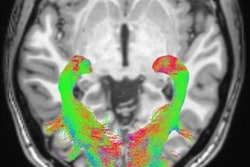
Meanwhile, Italian researchers published important findings last week about diffusion-weighted MRI's ability to uncover changes in the visual systems of patients newly diagnosed with Parkinson's disease. Get the details here.
The Pharmacovigilance Risk Assessment Committee (PRAC) of the European Medicines Agency issued new guidance on gadolinium-based MRI contrast agents on 7 July. The PRAC confirmed most of its recommendations given in March, but there were some significant modifications. Click here for the latest developments.
France urgently needs to increase its number of MRI units from 12 to 20 systems per 1 million inhabitants, which would put the country in line with the European average, according to a report from the national union of private radiologists, the FMNR. For the details, click here.
This letter features only a small selection of the numerous articles posted over the past few weeks in the MRI Community. Please scroll through the full list of our coverage below.