Dear AuntMinnieEurope MRI Insider,
Weightlifting has become a fashionable, mainstream exercise over recent years for men and women of all ages. But while pumping iron has proven health benefits in terms of boosting strength and endurance, it can also lead to musculoskeletal (MSK) injuries, especially among novices.
Together with ultrasound, MRI can be of vital importance in assessing these injuries. Researchers from a leading facility in Madrid have shared their experiences in this field, including four fascinating cases. Get the full story in today's special feature article.
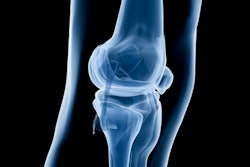
Carrying on the MSK theme, MRI-detected biomarkers can play a valuable role in patients with hip and knee pain, but the modality's clinical utility may be limited in those over the age of 45 in patients with advanced osteoarthritis, a new study has found.
How are young radiologists and trainees using contrast agents? What gaps are there in their training? Are they confident in handling adverse drug reactions? A large European survey conducted in September/October 2023 has addressed these and other questions.
A French-German research team generated massive interest in October 2021 when it produced 11.7-tesla MRI scans of a pumpkin. Now the group has revealed its first images of the human brain in vivo, and the development even caught the attention of the President of France.
From the U.K., we have a news report about how MRI not only provides insight into the immediate pathophysiological impact of preeclampsia but also holds potential as a valuable tool for risk stratification both antenatally and when considering longer-term cardiovascular risk in women.
Philip Ward
Editor in Chief
AuntMinnieEurope.com