
Dear AuntMinnieEurope member,
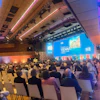
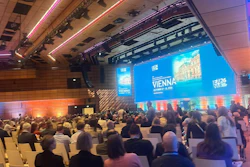
October has been quite a month for nuclear medicine in Vienna. At the Austria Center Vienna, a mix of disciplines gathered for the European Association of Nuclear Medicine (EANM) congress, from physicians and radiopharmacists to AI specialists and quantum researchers, to discuss everything from new therapies to the future of molecular imaging.
The congress kicked off with Nobel Prize lessons and a Viennese waltz. Former Nobel Prize Museum curator Tobias Degsell set the tone with a keynote on collaboration and creativity, while EANM President Prof. Paola Anna Erba reflected on the association's achievements and ambitions.
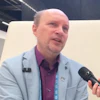
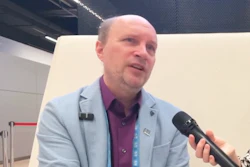
In a video interview, Erba connected the dots between advances in radiopharmaceuticals, PET imaging, AI, and personalized medicine. In another video interview, Prof. Wolfgang Wadsak discussed emerging targets beyond PSMA, advances in personalized radionuclide therapy, and Europe's challenges in securing radiopharmaceutical supplies.
Our coverage took us through sessions ranging from political hot potatoes such as patient access to emerging therapies, AI agents, and lively debate formats that gave experts plenty of food for thought.
In one session on prevention, specialists in cancer, cardiovascular medicine, and Alzheimer's disease discovered quite a few similarities across their fields while brainstorming one deceptively simple question: How early is early enough in prevention?
Just a few doors down, AI studies explored everything from multi-agent systems supporting tumor boards to PET/CT protocol selection and cancer biomarker prediction.
And there was also plenty of freshly presented research to chew on. Thomas Hope explored what's next for FAP-targeted theranostics, including how innovations could spill over to other targets.
Other highlights included new data on HER2 radioligand therapy, first clinical findings for CD44v6-targeted treatment, and a link between Lu-177 edotreotide dose and tumor response. Meanwhile, a promising new PET tracer for kidney cancer and a next-generation PET scanner capable of cutting imaging times to just one minute made headlines.
Dive deeper into these stories and more on our dedicated EANM 2026 coverage page. And stay tuned, there's plenty more to come!
In other news updated findings from the LUNAR trial explored Lu-177 PNT2002 before stereotactic radiotherapy in prostate cancer, while an EANM and Japanese Society of Nuclear Medicine webinar looked at the evolving roles of SPECT/CT and PET in cardiac amyloidosis imaging.
Vienna, of course, has another nuclear medicine powerhouse: the International Atomic Energy Agency (IAEA). At its September Scientific Forum, ministers, policymakers, physicians, and researchers came armed with some sobering numbers on global inequalities in cancer care.
From access to radiation medicine and theranostics in lower-income countries to sustainability in cancer care and AI-powered treatment planning, discussions went well beyond what technology can do to who actually gets to benefit from it.
Patient access was also on the agenda at European Nuclear Medicine Day in Brussels, bringing policymakers, clinicians, industry representatives, and patients together to discuss how to close gaps across Europe.
Didn't get enough? Check out our Molecular Imaging content area. Got ideas? Get in touch.
Claudia Tschabuschnig
Associate Editor
AuntMinnieEurope.com