
At EANM 2026, nuclear medicine experts debated whether PET imaging can effectively detect cancer, cardiovascular disease, and Alzheimer's disease before symptoms develop, concluding that while promising, current evidence does not yet support population-wide screening without additional prospective studies demonstrating clinical benefit and cost-effectiveness.
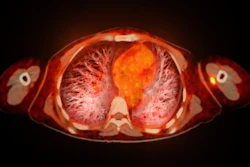
- Cancer screening: PET is not ready for population-wide use; experts propose combining inexpensive first-line tests with PET imaging only for high-risk individuals.
- Cardiovascular prevention: FDG PET can measure arterial inflammation directly, potentially improving risk prediction beyond traditional biomarkers like cholesterol and blood pressure.
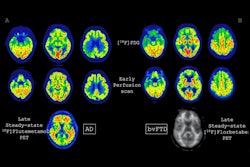
- Alzheimer's disease: Blood-based biomarkers like plasma phosphorylated tau 217 can identify higher-risk patients, with PET imaging used to guide further assessment and monitor treatment response.
- Key concern: Overdiagnosis and false positives remain major obstacles; experts emphasize the need for longitudinal evidence, shared datasets, and studies demonstrating clinical value before expanding into prevention programs.
 EANM President Prof. Paola Anna Erba says detecting disease is not enough: prevention has to be shown to change patient outcomes.
“Detecting a disease is one part, but showing that this is changing the outcome of the disease, that is something different,” she told delegates.
The session, “From Treatment to Prevention: The Evolving Role of Nuclear Medicine in Early Diagnosis,” examined whether advances in PET imaging could help identify cancer, cardiovascular disease, and Alzheimer’s disease before symptoms develop and what evidence would be needed to justify wider use.
Across all three fields, speakers described the same model: a cheap first-line test or clinical risk assessment to raise the pretest probability, followed by imaging for selected people. None proposed PET as a general first test.
Cancer screening: Not there yet
 Dr. Ken Herrmann of University Hospital Essen says it is “way too early” for PET-based population cancer screening.
But existing evidence does not support population-wide FDG-PET screening. Herrmann cited a Japanese study involving approximately 155,000 people in which cancer was detected in 1.2%. Another study from South Korea found that around three-quarters of suspicious PET findings were false positives.
“It’s unfortunately still way too early for population-based screening using PET,” he said. His proposed alternative combines an inexpensive first-line test, potentially using blood or saliva biomarkers, with PET imaging for people at increased risk.
The approach would require large prospective studies demonstrating not only diagnostic accuracy but also clinical benefit and cost-effectiveness.
Cardiovascular prevention: Imaging inflammation
Dr. Marcus Hacker of the Medical University of Vienna in Austria focused on Dr. Marcus Hacker of the Medical University of Vienna says arterial inflammation, not just cholesterol and blood pressure, should be a target for cardiovascular prevention.
Current prevention strategies rely heavily on risk factors such as blood pressure, cholesterol, and smoking status. Hacker argued that FDG-PET could add information by measuring inflammation directly in arterial walls.
He said prevention should target not only blood pressure and cholesterol but their effect on the arteries, which is inflammation. He cited data showing that high-sensitivity C-reactive protein (hsCRP), at a threshold of 2, added predictive value for severe cardiovascular events beyond cholesterol alone. That is why more anti-inflammatory drugs are being developed, he said. He pointed to the CANTOS trial, which tested an interleukin-1 beta inhibitor against placebo in about 10,000 patients after myocardial infarction.
He described an ongoing multicenter study designed to assess whether arterial FDG uptake improves cardiovascular risk prediction beyond conventional inflammatory biomarkers. The study aims to enroll 889 patients following myocardial infarction, with more than 300 already included.
“The idea is to move the field from risk prediction to really precision prevention with the help of PET,” Hacker said.
Alzheimer’s disease: A window before symptoms
 Dr. Massimo Filippi of IRCCS San Raffaele Scientific Institute says blood tests should decide who needs a PET scan for Alzheimer’s disease.
He proposed combining blood-based biomarkers, particularly plasma phosphorylated tau 217, with PET imaging to identify higher-risk individuals and guide further assessment.
“Blood tests will decide who needs PET, and PET will decide what to do,” he said.
Filippi also presented experience using serial amyloid PET to monitor responses to anti-amyloid therapies, including lecanemab and donanemab. In one patient with early Alzheimer’s, amyloid burden fell only modestly on lecanemab over six months, prompting a switch to donanemab, after which the scan showed near-complete clearance. He did not claim this as a comparison of the two drugs. However, he acknowledged that PET-based prevention in cognitively unimpaired people is not yet routine clinical practice.
Who benefits from earlier detection?

Overdiagnosis remained the central worry. Filippi said some overdiagnosis could be acceptable in Alzheimer’s disease if a future treatment were highly effective, giving a hypothetical example of a drug that cures 90% of patients at the cost of 10% overdiagnosis.
Erba called for longitudinal evidence, shared datasets, healthcare capacity, and greater public engagement before extending imaging into prevention programs. She also warned that offering screening does not guarantee participation, citing low uptake of cancer screening among women as an example.
The speakers also discussed the need for secure, multicenter data repositories and funding for studies that may take years to demonstrate clinical value.
For Erba, the challenge extends beyond imaging technology: “Do we want [...] to understand the disease in the individual patient, or do you really want to build a system that is also protecting health and preventing disease in the healthier population?”
Our full coverage of EANM 2026 can be found here.