
As more therapies approach clinical use, Prof. Valentina Garibotto sees two questions for the field of theranostic. Which advances improve outcomes for patients? And how widely can patients access them?
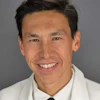
Garibotto heads the Division of Nuclear Medicine and Molecular Imaging at Geneva University Hospitals and the Department of Radiology and Medical Informatics at the University of Geneva. As chair of the European Association of Nuclear Medicine’s Scientific Events Council, she helped oversee the scientific program for EANM 2026 in Vienna. UNIGE
Garibotto pointed to prospective trials as a way to establish what new treatments deliver for patients. More of these studies are underway in nuclear medicine, she said, and their findings will help clinicians decide which advances to bring into practice.
The next question is who gets to benefit. Garibotto said advances should reach a broader clinical community so that access does not depend on whether a patient is treated at one of a few centers of excellence. That concern comes as European nuclear medicine teams grapple with regulatory and infrastructure barriers to wider access to radioligand therapy.
Garibotto also drew attention to the role of team management and collaboration between colleagues. She identified both as factors that can influence whether scientific advances translate into clinical benefit.