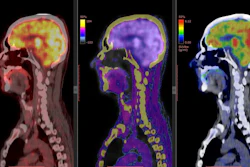


Radiopharmaceuticals are among the fastest-growing areas of modern medicine. New tracers and radioligand therapies are transforming the diagnosis and treatment of cancers from prostate cancer to neuroendocrine tumors, while hundreds of additional compounds are currently in development.
Yet scientific progress does not automatically translate into patient access. Across Europe, availability of innovative radiopharmaceuticals varies considerably between countries, creating disparities that are often invisible to patients and policymakers alike.
For Prof. Clemens Decristoforo, member of the EANM Policy & Regulatory Affairs Council (PRAC) and professor at the Medical University of Innsbruck, the challenge is not a lack of innovation. Instead, it is ensuring that regulatory systems evolve alongside scientific advances.
A framework built for conventional drugs
One of the key challenges is that radiopharmaceuticals are regulated largely within the same pharmaceutical framework as conventional medicines.
While this approach provides a high level of patient protection, Decristoforo argues that it does not always reflect the unique characteristics of radiopharmaceuticals. Many diagnostic tracers have extremely short half-lives, are produced in small quantities, and do not exert a pharmacological effect in the way traditional medicines do.
According to him, particularly for diagnostic radiopharmaceuticals, certain regulatory simplifications could potentially be introduced without compromising patient safety.
Two regulatory worlds
Another challenge is the fact that radiopharmaceuticals sit at the intersection of pharmaceutical legislation and radiation protection legislation.
In most European countries, these areas are overseen by separate authorities or ministries that often have limited interaction. The result can be overlapping requirements, differing interpretations, and additional administrative complexity for hospitals and radiopharmacies.
National differences, different access
For Decristoforo, the most important issue remains the variation between national regulatory systems.
Patients in one European country may have relatively straightforward access to an innovative radiopharmaceutical, while patients elsewhere face substantial delays or may not have access at all. These differences are often unrelated to scientific evidence and instead reflect national regulatory frameworks and implementation pathways.
Differences between national regulatory frameworks can have practical consequences for patients. In some cases, treatments may be more readily available in one country than another, leading patients to seek care across borders.
One example is thyroid therapies, where some patients in some countries may be treated on an outpatient basis, while neighboring countries require hospital admission for the same procedure.
Will the Critical Medicines Act make a difference?
The European Union's Critical Medicines Act was introduced to strengthen resilience in pharmaceutical supply chains and reduce vulnerabilities linked to imports and manufacturing disruptions.
However, radiopharmaceuticals face different challenges. While conventional drug shortages are often linked to global supply chains, radiopharmaceutical availability is frequently constrained by isotope production capacity, reactor availability, and cyclotron infrastructure.
Decristoforo noted that many of the challenges facing radiopharmaceuticals differ from those affecting conventional medicines and therefore may require different policy solutions.
Adapting GMP to hospital reality
Another ongoing discussion concerns Good Manufacturing Practice (GMP) requirements.
Many radiopharmaceuticals are produced in hospital-based radiopharmacies that manufacture small batches daily for immediate clinical use, a model very different from large-scale industrial pharmaceutical production.
European regulators are currently examining how GMP requirements can be clarified and adapted for these settings. Ongoing revisions to Annex 3 may help provide more tailored guidance while maintaining quality standards.
One change that could improve access
If he could change one aspect of the current framework tomorrow, Decristoforo's priority would be a harmonized European framework defining under which conditio1ns hospitals can locally manufacture radiopharmaceuticals for individual patients when no commercial product is available.
Such a system, he argues, could help secure patient access while maintaining appropriate regulatory oversight.
Europe's nuclear medicine community continues to generate scientific breakthroughs, develop new tracers, and expand the clinical role of theranostics.
Yet as the field matures, ensuring equitable access may become just as important as developing the next generation of radiopharmaceuticals. For Decristoforo, the focus now is not only on innovation but also on creating regulatory frameworks that allow patients to benefit from it.
It is one of the EANM Policy & Regulatory Affairs Council core activities to raise awareness on this topic and to provide professional input to all regulatory stakeholders, e.g. EMA and the European Commission, he noted.