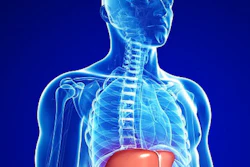
An international research team has been awarded $9 million to study cerebral amyloid angiopathy (CAA) and neuroimaging biomarkers associated with hemorrhagic stroke.
The five-year grant from the Leducq Foundation will support the Translational Framework For Innovation in Cerebral amyloid angiopathy (TRAFFIC) project, co-led by Antreas Charidimou, MD, PhD, of Boston University and Prof. Dr. Marcel Verbeek of Radboud University Medical Center in Nijmegen, the Netherlands.
CAA is a common cause of brain bleeds in older adults and an important contributor to cognitive impairment and dementia, including Alzheimer’s disease, a Boston University announcement noted. The researchers and TRAFFIC aim to uncover how CAA develops, progresses, and causes damage to the brain’s blood vessels, including inflammatory forms of the disease (CAA-related inflammation and amyloid-related imaging abnormalities). Andreas Charidimou, MD, PhD (left), and Prof. Dr. Marcel Verbeek (right)Boston University Center for Brain Recovery
The project will combine advanced brain imaging with new molecular biomarkers and innovative experimental models, according to the announcement. A core part of the initiative is training the next generation of CAA scientists, the announcement noted.
The TRAFFIC network also includes Matthew Schrag, MD, PhD, of Vanderbilt University Medical Center in Nashville, TN, Steven Greenberg, MD, PhD, of Harvard Medical School in Boston, Dr. Mar Hernández Guillamon of Vall d’Hebron Research Institute in Spain, Prof. Dr. Stephanie Schreiber of Otto von Guericke University Magdeburg in Germany, and William Van Nostrand, PhD, of the University of Rhode Island.