Dear AuntMinnieEurope Member,
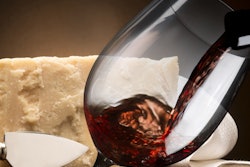
It might seem like a bizarre idea, but apparently ultrasound really does make red wine more quaffable.
An Italian study has reported that the modality represents a promising, eco-friendly way of speeding up winemaking because it can encourage chemical and structural changes that most resemble that of natural aging. Find out more in our Ultrasound Community.
Austria went back into lockdown this week -- and the European Congress of Radiology is only just over three months away. The European Society of Radiology (ESR) has come out fighting, however, and they've certainly not given up hope of holding a face-to-face meeting in early March.
Time will tell if this is false optimism on behalf of the ESR. The organizers of EuroMedLab 2021 have just decided to postpone their onsite conference in Munich due to rising COVID-19 infection rates in Germany -- only a week or so before the late November start date. Get the full story in the MRI Community.
The eagerly awaited coroner's report in the tragic case of a 43-year-old Australian woman who died after a "wellness scan" was published this week. The competence of the attending radiologist, the responsibilities of private radiology companies, and the use of CT coronary angiography as a screening tool have all come under scrutiny, and the case may well have global implications.
Also in the CT Community, we have an article about the use of low-dose CT in appendicitis cases. Researchers from Finland have reported significant findings in this area.
RSNA 2021 begins on Sunday, and it looks like Dr. Christiane Kuhl's group in Aachen, Germany, is going to be keeping busy. In a precongress article, we have details about her team's latest breast MRI study.
We'll be posting regular updates throughout the congress, so please remember to check our homepage everyday. For comprehensive live coverage of the meeting, check out the RSNA 2021 News section of our sister site, AuntMinnie.com. Its RADCast @ RSNA begins on 28 November.