The Modern Cardiovascular Interventions Forum in Lviv held its second edition, expanding from educational sessions to hands-on live procedures including complex coronary interventions, valve repairs, and cardiac trauma care, while demonstrating how international medical collaboration continues despite wartime conditions.
- The forum featured live and recorded procedures including percutaneous coronary intervention, radiofrequency ablation, MitraClip, and transcatheter aortic valve implantation
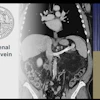
- AI and advanced imaging played central roles, with sessions on CT-first strategy, FFR assessment, OCT with AI algorithms, and strain echocardiography
- A dedicated session covered acute military cardiac trauma, including damage-control resuscitation and treatment of penetrating cardiac wounds
- The 2025 forum attracted 360 onsite participants and 870 virtual delegates from Ukraine, Poland, Italy, Czech Republic, and the U.S.
- The meeting emphasized international cooperation, helping Ukrainian specialists access contemporary expertise while sharing their own clinical research globally
 MCI_Lviv_2026
The Modern Cardiovascular Interventions: Lviv Forum returned for its second edition, a year after the inaugural meeting showed that international medical education can continue even while the country is at war.
Cardiologists, interventional cardiologists, cardiac surgeons, radiologists, anesthesiologists, emergency physicians, and specialists from other fields mingled at the Bank Hotel in Lviv for a scientific and practical program spanning cardiovascular diagnostics, treatment, and intervention.
While the first edition took place very much under the shadow of war and focused strongly on keeping education and international exchange going, the second expanded the hands-on side of the meeting.
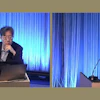
 A scientific session at MCI Lviv 2026, where the program ranged from advanced cardiovascular imaging and coronary intervention to structural heart disease and wartime cardiovascular care.MCI_Lviv_2026
Alongside the main conference menu of lectures, discussions, and workshops came live and “live-in-a-box” procedures. These included complex percutaneous coronary intervention, radiofrequency ablation with 3D navigation, minimally invasive mitral valve repair, MitraClip, and transcatheter aortic valve implantation.
Imaging moves closer to intervention
On the first day, a dedicated coronary artery disease session moved imaging closer to intervention in this application.
Serhii Chynchuk, Kyiv, Ukraine, presented “CT-First Strategy: CT as a Roadmap, FFR-CT, Planning,” looking at how CT can support procedural planning before patients enter the cath lab.
Dr. Krzysztof Bryniarski of the Department of Interventional Cardiology, Institute of Cardiology, Jagiellonian University Medical College in Kraków, Poland, followed with “Physiological Assessment After PCI: Interpretation and Clinical Relevance.”
The session also looked beyond anatomy alone. Dr. Liliya Sorokhtey, an interventional cardiologist and head of the Department of Angiography at the Ukrainian-Polish Heart Center Lviv in Lviv, Ukraine, addressed FFR, μFR, and related methods of physiological assessment, while Dr. Yurii Melen, interventional cardiologist at the Ukrainian-Polish Heart Center Lviv in Lviv, Ukraine, tackled a highly practical question: What happens when physiology and visualization disagree? Ukrainian and international cardiovascular specialists gathered in Lviv for the second Modern Cardiovascular Interventions forum.MCI_Lviv_2026
AI also took a seat at the discussion table. Dr. Stanisław Bartuś of the Second Department of Cardiology, Institute of Cardiology, Jagiellonian University Medical College in Kraków, Poland, presented on OCT combined with AI algorithms, including ULTREON 3.0, illustrating how computational tools are beginning to mingle with intravascular imaging in complex coronary interventions.
Echocardiography was featured as well. Dr. Witold Streb of the Department of Cardiology and Electrotherapy, Medical University of Silesia in Zabrze, Poland, led dedicated strain echocardiography workshops under the title “How to See Beyond Ejection Fraction?”, including hands-on interpretation of patient cases. A separate practical course focused on ECMO in acute heart failure and cardiogenic shock.
On the second day, intravascular imaging again played an important role. Dr. Łukasz Rzeszutko of the Second Department of Cardiology, Institute of Cardiology, Jagiellonian University Medical College in Kraków, Poland, asked “Intravascular Imaging: Mandatory or Just Helpful?” in a coronary artery disease session that also covered calcified coronary lesions, drug-eluting balloons, antiplatelet therapy, and chronic total occlusion recanalization.
From imaging to live intervention
Structural heart disease offered another part of the conference menu where imaging, anatomy, and intervention came together.
A session on mitral insufficiency covered minimally invasive and endovascular mitral valve repair and included a live minimally invasive procedure using the NeoChord technique, as well as a recorded MitraClip case.
The final session turned to pathology of the aortic root and ascending aorta, with topics spanning minimally invasive aortic root surgery and TAVI in younger patients to transaxillary access, endovascular treatment of the ascending aorta and arch, and hybrid management of chronic type B aortic dissection using the Thoraflex system.
Taken together, this year’s forum moved further from simply discussing new cardiovascular technologies toward hands-on implementation, showing how techniques are used in live and complex clinical cases.
Acute military heart and great-vessel trauma
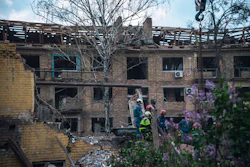
The reality of practicing medicine in a country at war was, of course, also reflected in the scientific program.
An entire session was dedicated to acute military heart and great-vessel trauma, covering damage-control resuscitation, revascularization of injured arteries, treatment of penetrating cardiac wounds, thoracoscopic approaches to cardiac injury, and recommendations for returning military personnel to duty following cardiovascular injury.
The 2025 forum attracted around 360 onsite participants and 870 virtual delegates, including specialists from Ukraine, Poland, Italy, the Czech Republic, and the U.S. At the time, much of the story was about maintaining medical education and international links despite the war, with proceeds from Continuing Medical Education certificates donated to a mobile military hospital.
 Dr. Uliana Pidvalna, professor and head of the Department of Normal Anatomy at Danylo Halytsky Lviv National Medical University in Lviv, Ukraine, and scientific consultant at the Ukrainian-Polish Heart Center Lviv, also led a workshop on scientific visibility through abstracts and papers.MCI_Lviv_2026
Dr. Uliana Pidvalna, professor and head of the Department of Normal Anatomy at Danylo Halytsky Lviv National Medical University in Lviv, Ukraine, and scientific consultant at the Ukrainian-Polish Heart Center Lvi, led the workshop “Scientific Visibility Through Abstracts and Papers.” The session ran alongside the main clinical program on the second day.
Her workshop points to another dimension of the international cooperation behind MCI Lviv: helping Ukrainian specialists not only access contemporary cardiovascular expertise, but also bring their own clinical experience and research to a wider scientific community.
The meeting was organized by the Ukrainian-Polish Heart Center Lviv together with Danylo Halytsky Lviv National Medical University, Jagiellonian University in Kraków, and the Military Medical Clinical Center of the Western Region.