PET images show how weight-loss surgery can curb alterations in brain activity associated with obesity and improve cognitive function involved in planning, strategizing, and organizing.
The new study, published online in the Journal of Clinical Endocrinology & Metabolism, is the first to assess brain activity in women before and after bariatric surgery (JCEM, August 26, 2014).
Brazilian researchers used PET scans and neuropsychological tests to assess brain function and activity in study participants prior to surgery and six months after the procedure. The same tests were administered once to a control group of 16 lean women.
Before they underwent surgery, the obese women had higher rates of metabolism in certain areas of the brain, including the posterior cingulate gyrus. Following surgery, there was no evidence of this exacerbated brain activity. Their brain metabolism rates were comparable to the activity seen in the women of normal weight.
The obese women also performed better after the procedure versus before the procedure on a test measuring executive function.
Study co-author Dr. Cintia Cercato, PhD, from the University of São Paolo said obesity led to altered activity in the posterior cingulate gyrus, which is linked to the development of Alzheimer's disease. Because bariatric surgery reversed this activity, the procedure could also perhaps lower the risk of Alzheimer's disease and other forms of dementia, according to the researchers.




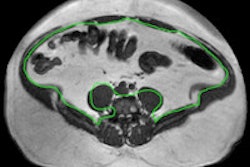



![Overview of the study design. (A) The fully automated deep learning framework was developed to estimate body composition (BC) (defined as subcutaneous adipose tissue [SAT] in liters; visceral adipose tissue [VAT] in liters; skeletal muscle [SM] in liters; SM fat fraction [SMFF] as a percentage; and intramuscular adipose tissue [IMAT] in deciliters) from MRI. The fully automated framework comprised one model (model 1) to quantify different BC measures (SAT, VAT, SM, SMFF, and IMAT) as three-dimensional (3D) measures from whole-body MRI scans. The second model (model 2) was trained to identify standardized anatomic landmarks along the craniocaudal body axis (z coordinate field), which allowed for subdividing the whole-body measures into different subregions typically examined on clinical routine MRI scans (chest, abdomen, and pelvis). (B) BC was quantified from whole-body MRI in over 66,000 individuals from two large population-based cohort studies, the UK Biobank (UKB) (36,317 individuals) and the German National Cohort (NAKO) (30,291 individuals). Bar graphs show age distribution by sex and cohort. BMI = body mass index. (C) After the performance assessment of the fully automated framework, the change in BC measures, distributions, and profiles across age decades were investigated. Age-, sex-, and height-adjusted body composition reference curves were calculated and made publicly available in a web-based z-score calculator (https://circ-ml.github.io).](https://img.auntminnieeurope.com/mindful/smg/workspaces/default/uploads/2026/05/body-comp.XgAjTfPj1W.jpg?auto=format%2Ccompress&fit=crop&h=112&q=70&w=112)


