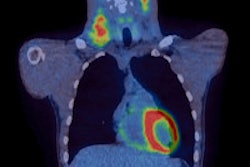
Patients treated for Hodgkin's lymphoma with radiation therapy and chemotherapy experience a substantially increased risk of stroke compared to the general population, according to a multi-institutional Dutch study published online in the Journal of the National Cancer Institute (June 17, 2009).
Patients who received radiation to the neck and mediastinum also face a high risk of transient ischemic attack (TIA), the study indicates.
Researchers at the Netherlands Cancer Institute in Amsterdam studied the records of 2,201 patients who were alive five years after receiving treatment for Hodgkin's lymphoma before the age of 51. The patients received treatment at five cancer centers, including a children's hospital, in the Netherlands between 1965 and 1995.
Flora van Leeuwen, Ph.D., head of the department of epidemiology, and colleagues compared incidence rates of clinically verified stroke and TIA for these survivors with those of the general population.
After a median follow-up of 17.5 years, 96 patients at a median age of 52 developed cerebrovascular disease, 31 patients developed TIAs, and 10 patients experienced both stroke and TIA. Most ischemic events were from large artery atherosclerosis (36%) or cardioembolisms (24%). The standardized incidence ratio was 2.2 for stroke and 3.1 for TIA. The cumulative incidence of ischemic stroke or TIA was 7% 30 years after treatment.
The researchers recommended that Hodgkin's survivors should be educated about and actively engaged in risk-reducing strategies, such as treatment of hypertension and lifestyle changes.
Related Reading
Passport for Care aids follow-up of childhood cancer survivors, April 13, 2009
Heart risks high in childhood cancer survivors, May 16, 2008
CT findings may help predict stroke after transient ischemic attack, February 20, 2008
Transient ischemic attacks can be readily detected, May 30, 2007
Copyright © 2009 AuntMinnie.com