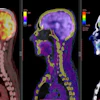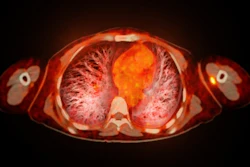


Neurotheranostics is attracting growing interest among researchers and clinicians. For Prof. Nathalie Albert, one of the most important recent developments is the increasing visibility of PET RANO 1.0, the first international criteria for standardized amino acid PET response assessment in diffuse gliomas.
Albert, a professor at Ludwig Maximilians University of Munich, member of the EANM Oncology & Theranostics Committee, and Scientific Chair of the Nuclear Medicine and Neuro-Oncology (NMN) Symposium, highlighted the clinical application of PET RANO during NMN 2026, which took place in Vienna in May.
The meeting featured dedicated sessions on PET RANO implementation, amino acid PET in glioma imaging, emerging theranostic targets, blood-brain barrier opening strategies, and ongoing clinical trials in neuro-oncology.
The PET RANO criteria were developed by the international Response Assessment in Neuro-Oncology (RANO) group and published in The Lancet Oncology in 2024. While originally designed for use in clinical trials, Albert noted that the criteria are increasingly being discussed and applied in clinical practice and have become a useful educational tool for trainees and young physicians.
"The PET RANO 1.0 criteria proved very practical," Albert said, explaining that questions about PET RANO assessments arise regularly during neuro-oncology tumor board discussions.
Expanding theranostic opportunities
Beyond imaging, theranostic approaches continue to be explored across several neuro-oncological indications. Theranostics combines molecular imaging and targeted radionuclide therapy using the same biological target. While established in diseases such as prostate cancer and neuroendocrine tumors, applications in brain tumors remain largely within the clinical research setting, she noted.
Among the most promising targets, Albert highlighted somatostatin receptor subtype 2 (SSTR2) in meningiomas. Research efforts are also investigating theranostic strategies in glioblastoma and brain metastases, reflecting growing interest in expanding the approach to neuro-oncology.
At NMN 2026, theranostics featured prominently in discussions on clinical trial design, emerging targets, and novel radionuclide therapies, including alpha-emitter approaches and first-in-human studies.
Addressing the blood-brain barrier
One of the major challenges in neurotheranostics remains the blood-brain barrier, which can limit the delivery of therapeutic compounds to brain tumors.
To address this issue, Albert and colleagues developed the NMN-BBB Score, a combined PET- and MRI-based tool designed to assess blood-brain barrier permeability and support patient selection for investigational therapies.
According to Albert, such approaches may help identify patients most likely to benefit from future theranostic interventions. They may also prove valuable for studies investigating blood-brain barrier opening techniques, such as focused ultrasound, which was another topic highlighted during NMN 2026.
Building evidence
Despite increasing interest in neurotheranostics, Albert believes that evidence generation should remain a priority. She cautioned that widespread compassionate-use programs can make recruitment into prospective clinical trials more difficult, potentially slowing the generation of the data needed to evaluate efficacy and safety.
Instead, she advocates expanding access to well-designed clinical studies that can simultaneously provide treatment opportunities and generate robust evidence.
When asked what she would change if resources were immediately available, Albert pointed to funding for a large randomized trial evaluating amino acid PET in gliomas. According to her, the study design is already complete and aims to generate the high-level evidence needed to further define the role of molecular imaging in neuro-oncology.
For Albert, the future of neurotheranostics will depend not only on promising targets and technological innovation, but also on the quality of the clinical evidence supporting their adoption. As research continues to evolve, she believes that carefully designed trials will be essential for translating scientific advances into routine patient care.