Dear AuntMinnieEurope Member,
Don’t sit on the fence, remember to smile, and never offer to eat your pants – these are among the rules of radiology, as written by our regular columnist Dr. Paul McCoubrie.
McCoubrie’s great skill is that he imparts wisdom in a witty, light-hearted way. His second book will be available in the summer, and in an entertaining video interview with contributing editor Liana Gruenberg, he’s given us a sneak preview of the contents.
This week’s second top story is about hybrid imaging. Reliable data on the performance of the main manufacturers' PET/CT and SPECT/CT scanners are in short supply, according to researchers from Ghent, Belgium. They've rectified this situation by conducting a study of seven different units, and their results make for fascinating reading.
Many of you will know top researcher Prof. Steve Halligan, who received the Gold Medal of the European Society of Gastrointestinal and Abdominal Radiology in 2023. In a recent journal article, Halligan and his colleagues said that Prof. Doug Altman was a huge influence on them. Read about Altman’s legacy in a new column by radiology historian Dr. Adrian Thomas.
Imaging of heart transplant patients is a complex and challenging area. A Polish team has reported that the use of coronary CT angiography in this population group is a safe method of evaluating risk of cardiac allograft vasculopathy.
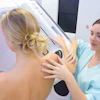
Finally this week, we have a news report about how including nonimplant-displaced views on digital breast tomosynthesis can lead to an overall increase in average glandular dosage.
Philip Ward
Editor in Chief
AuntMinnieEurope.com