Dear AuntMinnieEurope Member,
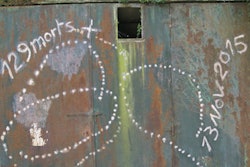
The medical profession in France has been in uproar this week, after news broke of a senior surgeon's attempt to sell the x-ray image of a survivor of a terrorist attack as a piece of digital art.
Dr. Emmanuel Masmejean, from the European Hospital Georges Pompidou, admitted he made an error of judgment and should have sought the patient's permission. Understandably, his employer has deeply criticized his actions, and he may now face legal action.
On a far more positive note, Dr. Cesar Pedrosa's remarkable career in radiology has spanned seven decades. As his 90th birthday approaches, he's showing no signs of slowing down and lives very much in the present. He gives a weekly lecture to trainees in Madrid, and he has strong views on artificial intelligence (AI) and imaging's role in the pandemic. Don't miss our uplifting profile of this amazing man. You'll find it in our MRI Community.
Meanwhile, German researchers have been investigating the use of Twitter during virtual congresses, and they've come up with some interesting findings.
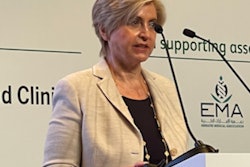
The Total Radiology Conference took place earlier this week at Arab Health in Dubai, United Arab Emirates. Our first news report from the meeting is about Dr. Hedvig Hricak's keynote on molecular imaging. Next week, we'll have more articles from this increasingly influential meeting.
It's been a hectic few days for Dutch informatics expert Prof. Wiro Niessen. As founder and scientific lead of AI company Quantib, he was involved in the company's sale to RadNet, announced on 24 January. The following day, we posted a Q&A interview with Niessen about trends in AI for 2022, based on our recent webinar.
Registration is now open for the second free webinar (to take place on 10 February) in our AI series, AI Trends in 2022: Neuroradiology. Be sure you sign up for the event.