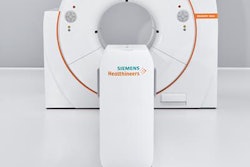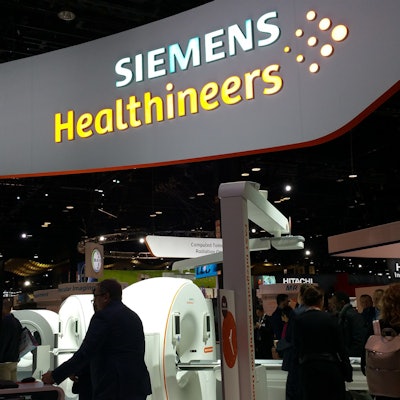
German industrial conglomerate Siemens AG said this week that its Siemens Healthineers division is "ready for its market debut," a sign that the company is ready to launch the unit's initial public offering (IPO).
In a February 19 statement, the company confirmed that it plans to have the Siemens Healthineers IPO completed in the first half of 2018. Most market analysts believe that to conform to that timetable, the launch of the IPO could come as early as March.
Siemens plans to sell a "meaningful minority" of its own stake in Healthineers to create a liquid market for the stock. The offering will be on the Frankfurt Stock Exchange, and Siemens will retain a majority stake in the health division, the statement confirmed.
"Siemens Healthineers is now ready for its market debut," Siemens chairman Michael Sen said in a statement. "Siemens Healthineers is a premium asset and we have worked hard to now list such an exciting franchise. We expect the business to capitalize on its strengths even more effectively after the listing."
Siemens Healthineers posted revenue of 13.8 billion euros ($17.02 billion) in 2017, with an adjusted profit of 2.5 billion euros ($3.08 billion). The company has an adjusted profit margin of 18%.
The company noted in the statement that its core markets are worth more than 50 billion euros ($61.7 billion) annually and are expected to grow at a 3% to 5% annual rate from 2016 to 2021. Siemens Healthineers should be able to benefit by being a fully standalone entity, with "increased agility and a strong capital structure."
Market analysts have speculated that being an independent entity with its own shares would make it easier for Siemens Healthineers to make acquisitions using its own stock rather than cash, for example.