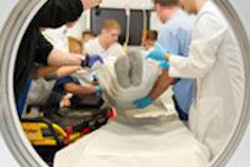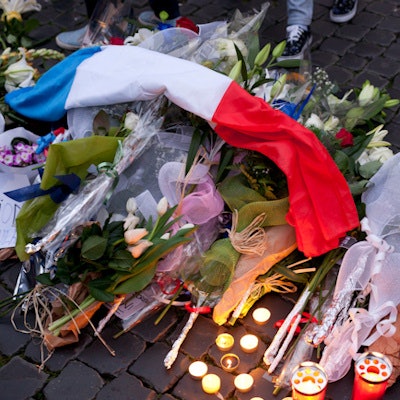
In the wake of two terrorist attacks in less than two years, French doctors have prepared and adapted the country's emergency medical response plans to terrorism, and they outlined them in an article published online on 25 July in the Lancet.
By consulting with military experts, equipping emergency responders, and improving the victim identification process, the authors hope that the medical response after terrorist attacks will save lives and help mobilize the country.
French emergency medical services have sought the expertise of military doctors due to the type of weapons used in terrorist attacks, they explained. These doctors have taught civilian surgeons, anaesthesiologists, and emergency responders about treating victims injured by these weapons at the scene of the incident and in hospitals. These two medical services have also reviewed the equipment and treatments needed when a terrorist attack occurs.
The authors, led by Dr. Pierre Carli from the University Paris-Descartes, credited existing close cooperation among emergency response teams, police, fire, the Service d'Aide Médicale Urgente (SAMU) ambulance service, and hospitals for having a low number of deaths of people admitted to healthcare facilities after the Paris attack in 2015.
However, they noted some areas in which the response to the terrorist attacks needs improvement, including delays in identifying victims.
"Identification of the victims was clearly a deficiency during the Paris and Nice attacks, particularly those left dead on scene," the authors wrote. "There is immense pressure to provide timely answers to the families looking for their relatives and high-quality evidence for judicial authorities."
Medical services personnel have developed new procedures to accurately and quickly identify victims by using fingerprints, DNA, and dental data, along with external exams and identification documents on victims, according to the authors.
In addition, the preparatory strategy is particularly important, since emergency responders and physicians could face very different scenarios, including attacks with chemical weapons and attacks on healthcare facilities, the authors cautioned. "There is no reason to think that terrorism will become less violent," they noted.
"The medical response is an essential component of the response to terrorist attacks and is in fundamental opposition to terrorism's main objectives of aggression, fear, and panic," Carli and colleagues concluded.
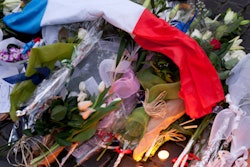
In November 2015, Paris experienced multiple mass casualty attacks at the Bataclan and in city streets, as well as a partially failed attack at the Stade de France, which caused 137 deaths and injured 413 people. In Nice in July 2016, a truck was driven into a crowd of people celebrating Bastille Day, causing 87 deaths and injuring 458 people.