Prof. Dr. Saif Afat and Dr. Daniel Pinto dos Santos are not interested in running a routine congress. “We are central to patient care, but often invisible,” they say about wanting to change how the field presents itself.
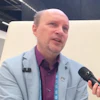
In a video interview ahead of RöKo 2026, the two presidents of the German Radiology Congress describe a specialty at a turning point, pulled between rapid technological change, growing political relevance, and a long-standing tendency to stay in the background.
Their congress theme, “Radiology Without Borders,” is deliberately open -- and reflected directly in the program. “We didn’t want a slogan, we wanted a framework,” they say.
Designing friction into the program
That framework shows up in the format: Oxford-style debates instead of consensus sessions, a first-ever DeGIR campus for interventional radiology, and workshops on communication and social media, areas long considered peripheral, now brought to the center.
The goal is not just education, but exchange. “Radiology needs more debate, not just agreement.” The timing adds weight. Germany introduced reimbursement for lung cancer screening on 1 April, marking a shift toward structured, population-based imaging programs and a broader transition in the field.
From diagnosis to prevention
“Radiology is moving beyond diagnosis,” they say, “toward prevention and active roles in patient pathways.” At the same time, artificial intelligence runs through the program, but not as a purely technical topic. “AI is already improving care in ways people don’t always see,” they say. “But we still lack clarity on validation and responsibility.”
Visibility remains the thread. Radiologists are producing more information than ever, yet often remain absent from the conversations that shape healthcare systems. “If we don’t define our role, others will do it for us.”
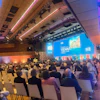
RöKo 2026 will take place from 13 to 15 May at the Congress Center Leipzig, combining scientific sessions, hands-on training, and interdisciplinary exchange. A parallel digital program will run until 20 June, extending the congress beyond the physical venue.
Our full coverage of RöKo 2026 can be found here.