Europe is expanding its cancer strategy beyond treatment to emphasize prevention and early detection, with initiatives like EU Screening Week promoting mammography, CT, and MRI imaging to identify disease before symptoms appear, as approximately 40% of cancers could be prevented through lifestyle changes and risk reduction.
- Cancer kills approximately 1.3 million people annually in the EU, while 2.7 million receive new diagnoses each year.
- An estimated 40% of cancers are preventable through lifestyle modifications and risk reduction strategies.
- The European Society of Radiology launched EU Screening Week (September 28–October 4) to promote early detection via mammography, CT, and MRI imaging for breast, lung, prostate, and cardiovascular health.
- Europe's Beating Cancer Plan achieved over 90% completion of planned actions, though the EU missed its 2025 screening target and faces delays in prevention measures.
- Prevention efforts extend to phasing out processed meats with added nitrites, HPV vaccination for cervical cancer elimination, and reducing tobacco, alcohol, and improving diet and physical activity.
Cancer still kills about 1.3 million people in the European Union each year, while 2.7 million receive a diagnosis. Yet an estimated 40% of cancers could be prevented putting prevention increasingly at the centre of Europe’s cancer strategy.
This week, the European Society of Radiology (ESR) is taking that message directly to the public.
Encouraging people to take a more active role
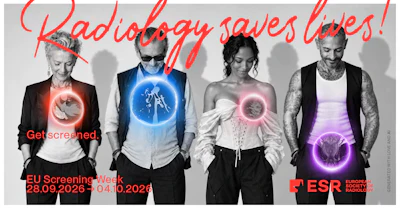
For the first EU Screening Week, from 28 September to 4 October, the society has launched its “Radiology saves lives. Get screened.” campaign, focusing on cardiovascular health alongside breast, lung and prostate cancer screening.
The ESR says the initiative is intended to put prevention and early detection in the spotlight and encourage people to take a more active role in understanding their health.
Act before disease has progressed
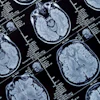
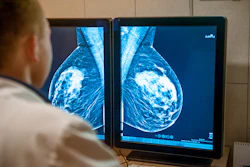
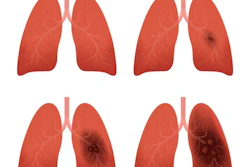
The campaign's premise is that disease can develop long before a person feels ill. Mammography, CT, and MRI can reveal changes before symptoms become apparent, while radiologists interpret those findings and help determine what should happen next.
“Prevention and early detection give patients the opportunity to act before disease has progressed,” said Prof. Minerva Becker, Chair of the ESR Board of Directors.
The push comes as Europe takes stock of its wider cancer promises. Five years after Europe’s Beating Cancer Plan was introduced, the European Parliament’s Public Health Committee has adopted an implementation report.
Prevention beyond the screening room
Renew Europe, whose MEP Vlad Voiculescu is rapporteur, says more than 90% of the plan’s actions are completed or underway, but that the EU has missed its 2025 screening target and several prevention measures remain delayed. The report will next face a plenary vote.
The Association of European Cancer Leagues has joined calls for phasing out added nitrites in processed meats where alternatives are available. The WHO’s cancer agency has classified processed meat as carcinogenic to humans, with sufficient evidence linking consumption to colorectal cancer.
Other European efforts target tobacco, alcohol, vaccination, diet and physical activity. HPV vaccination, for example, remains central to the EU’s ambition to eliminate cervical cancer.
Radiology plays a major role in early detection. While it cannot remove the underlying risk factor, imaging can reveal disease while there is still time to change its course.