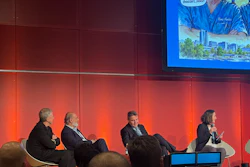
neuroRAD 2026 in Mainz is being led by young congress presidents who have introduced innovative changes including three-minute Power Pitch presentations instead of traditional posters, a playful networking event called NextGen Connect with ticket-based matching, and a new platform called Neuroradiologinnen to give female neuroradiologists a stronger voice within the German Society of Neuroradiology.
- Over 1,100 participants attended neuroRAD 2026, led by young congress presidents Katharina Wenger-Alakmeh, Roland Schwab, and Daniel Kaiser
- Power Pitches replace traditional poster presentations, giving researchers just three minutes to present their findings
- NextGen Connect uses ticket-based matching and instant photos to encourage networking across different professional circles
- Neuroradiologinnen is a new DGNR group designed to support female members and address their specific concerns in the field
- A public stroke awareness event on Friday will use actors to simulate emergency scenarios and demonstrate patient treatment options
Mainz -- Research pitches instead of traditional poster presentations, networking with a little matchmaking, and a new platform for women in neuroradiology: The younger congress presidency at neuroRAD 2026 has brought some fresh ideas to Mainz.
More than 1,100 participants have gathered for the annual meeting of the German Society of Neuroradiology (DGNR), led this year by congress presidents Dr. Katharina Wenger-Alakmeh, Dr. Roland Schwab, and Dr. Daniel Kaiser.
One change is how research gets presented. The new Power Pitch format gives researchers just some minutes to present their findings, replacing traditional poster presentations.
Thursday evening's NextGen Connect event takes a similarly playful approach to networking. A ticket-based matching activity is designed to get participants talking to people outside their usual circles, with instant photos to capture the encounters.
The congress also announced Neuroradiologinnen (female neuroradiologists, ed.), a new group within the DGNR intended to give female members a stronger voice and address their particular concerns.
Bringing stroke care to the public
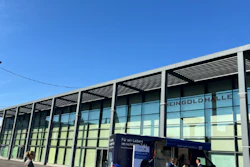
On Friday, the congress will move beyond the Rheingoldhalle. A public event will use actors to simulate a stroke emergency, showing how symptoms develop, what happens next, and how patients can be treated. Prevention will feature at several interactive stations.
The scientific program has also been divided into three broad strands: education and practical training, scientific discussion, and a look into the future, extending beyond neuroradiology to topics such as health policy and AI.
One of the more inspiring moments of Thursday's opening was the appointment of Prof. Michael Knauth as an honorary DGNR member.
His career has included work on intraoperative MRI and stroke imaging, but also some rather unusual research interests. He brought his curiosity about diving, mountaineering, and even seals into his scientific work, investigating how the brain responds to pressure, oxygen deprivation, and high altitude.
Our full coverage of neurorad 2026 can be found here.