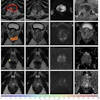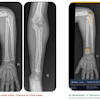
The integration of artificial intelligence (AI) in radiology is poised to be the most positive development in medical imaging throughout the coming decade, according to a report released on 6 November by the British Institute of Radiology (BIR).
For the report, the institute interviewed the presidents and senior officers of 18 different imaging societies, including radiologists, oncologists, radiographers, and scientists from the U.S., China, India, Japan, Russia, Brazil, and Germany. The respondents singled out AI as the technology with the greatest potential to have a positive transformative effect on radiology, conveying a general sense of optimism among imaging experts concerning the future of their specialty.
"Confidence seems to have grown markedly, moving beyond wariness about whether AI might threaten peoples' jobs to an understanding of its potential to make imaging specialties more interesting and improve outcomes for patients," BIR President Dr. Jane Phillips-Hughes said.
The institute also outlined key challenges awaiting the field, including dealing with the exponential growth in demand for imaging exams, the shortage of qualified professionals and equipment, and the uneven distribution of radiology services, among others.