The European Society of Head and Neck Radiology's 38th annual meeting in Budapest from September 10-12 brings radiologists together to discuss cancer treatment imaging, postoperative assessment, dental imaging advances, and AI applications for detection and surgical planning.
- Conference Focus: ESHNR's Budapest meeting covers cancer imaging challenges, treatment changes versus complications, and surveillance strategies for head and neck patients.
- AI and Dental Innovation: Friday sessions feature AI tools for caries detection, surgical planning, and comparison of dental MRI with cone-beam CT for lesion assessment.
- Advanced Imaging Techniques: Presentations include photon-counting CT for otosclerosis, deep learning for neck abscess detection, and radiomics for cervical imaging biomarkers.
- Clinical Refreshers: Parallel sessions cover skull base, oral, thyroid, parathyroid imaging, pediatric emergencies, and orbital disease management.
- Career Development: Friday's SHINE session provides fellowship experiences and career guidance for younger radiologists and trainees.
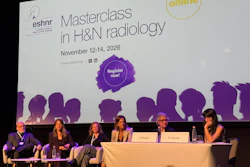
What does cancer treatment leave behind on a scan, and where can imaging help guide the next step? These practical questions run through the European Society of Head and Neck Radiology’s (ESHNR) annual meeting, taking place in Budapest from September 10 to 12.
The 38th Annual Meeting and Refresher Course brings radiologists to Várkert Bazár under congress presidents Adrienn Dobai and Bence Tamas Szabo. The program moves between everyday diagnostic challenges and techniques still finding their place in practice.
Thursday’s cancer sessions tackle familiar difficulties: distinguishing expected treatment changes from complications, deciding how surveillance imaging can help, and assessing the postoperative pharynx. Friday brings an oncology update covering the ninth AJCC edition, extranodal extension, diffusion-weighted imaging, and appearances following immunotherapy.
There is plenty for those working at the dental and radiological interface, too. Friday’s sessions examine overlapping sinus and dental disease, systemic bone disease affecting the jaws, and AI tools for caries detection and surgical planning. Researchers will also compare dental MRI with cone-beam CT for periapical lesions and periodontitis.
From interventions to refresher courses
Among the scientific presentations are studies on photon-counting CT for otosclerosis and parathyroid adenomas, and deep learning for detecting neck abscesses on MRI. These are research presentations, offering delegates a chance to examine where the techniques might prove useful.
Saturday turns to interventions, including ultrasound-guided procedures in the pharyngeal and parapharyngeal spaces and CT-guided approaches. Radiomics and cervical imaging biomarkers also feature.
Alongside these sessions, refresher courses take a deeper look at skull base, oral, thyroid, and parathyroid imaging. Pediatric emergencies, orbital disease, and temporal bone problems round out the clinical program.
For younger colleagues, Friday’s SHINE session makes room for fellowship experiences, career choices, and quiz cases. Case discussions throughout the meeting keep the emphasis on what radiologists encounter at work, from difficult anatomy to the findings that can change a patient’s management.