A major UK randomized trial of 1,152 Long COVID patients found that multi-organ MRI scans provided no significant improvement in fatigue or quality of life compared to standard specialist care, suggesting routine comprehensive imaging is not beneficial for Long COVID management.
- The STIMULATE-ICP trial tested whether multi-organ MRI could improve Long COVID outcomes in 1,152 patients across six NHS clinics
- MRI produced no significant additional benefit for fatigue at 12 weeks (0.18-point difference, p=0.69) or quality of life at either timepoint
- Of 437 participants who received MRI, 24% had abnormal findings, but these abnormalities did not correlate with fatigue improvement
- Long COVID management remains largely symptom-based and nonpharmacological, meaning MRI findings don't lead to different treatment options
- Digital rehabilitation showed small improvements in fatigue and quality of life at 24 weeks but not at 12 weeks
Long COVID has strained health systems because its mechanisms remain uncertain and symptoms can affect multiple organs. England established a network of specialist Long COVID clinics from 2021, but evidence supporting many components of these care pathways has remained limited.
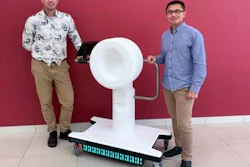
Coverscan, a single noncontrast MRI examination of the heart, liver, kidneys, pancreas, and spleen, received emergency use authorization in the U.K. in 2021 for Long COVID. However, whether the additional imaging information could improve patient outcomes had not previously been tested in a large randomized trial. Current U.K. guidance recommends tailoring investigations to each patient’s signs and symptoms to exclude alternative causes.
MRI shows no additional benefit
The cluster-randomized phase 3 STIMULATE-ICP trial, published July 28 in Nature Medicine, included 1,152 adults referred to six National Health Service (NHS) Long COVID clinics in England. At the primary care network level, 122 clusters were allocated to usual specialist care with multi-organ MRI, digital rehabilitation, both additional interventions, or neither.
Lead author Dr. Amitava Banerjee of University College London in London, U.K., and colleagues investigated whether pre-clinic MRI could identify organ impairment early enough to guide care. Banerjee is professor in clinical data science at UCL and an honorary consultant cardiologist at University College London Hospitals and Barts Health NHS Trusts.
The primary endpoint was fatigue at 12 weeks, measured using the Fatigue Assessment Scale (FAS). Mean baseline FAS was 35.8, and scores improved by 4.5 points overall. Adding MRI produced no significant additional benefit. The adjusted difference compared with usual care was 0.18 points (95% confidence interval, −0.72 to 1.09; p = 0.69).
MRI also did not improve fatigue at 24 weeks or quality of life at either 12 or 24 weeks. Of the 437 participants who underwent MRI, 105, or 24%, had site-reported abnormal findings. A post-hoc analysis found almost no difference in fatigue between participants with abnormal and normal scans, although statistical power was very low.
Abnormalities did not change treatment
The investigators said MRI may have failed to improve outcomes because Long COVID management remains largely symptom-based and nonpharmacological. Coverscan abnormalities do not currently lead to different therapeutic options. The results therefore do not support routine comprehensive multi-organ imaging for Long COVID.
Digital rehabilitation did not significantly improve fatigue at 12 weeks. At 24 weeks, however, it was associated with small improvements in fatigue and quality of life. The authors said the 1.14-point FAS difference was small, represented a secondary outcome, and should be considered hypothesis-generating rather than definitive.
Pragmatic design shapes interpretation
The trial was powered to detect an interaction between MRI and digital rehabilitation rather than the main effect of either intervention. Not every participant received or fully engaged with the allocated intervention, and further imaging, healthcare-use, and health-economic analyses are planned.
The study was funded by the U.K. National Institute for Health and Care Research and sponsored by University College London. Four authors were Perspectum employees and shareholders, while Rajarshi Banerjee founded the company and served as CEO until 2025. Two authors were employees of Living With, including its founder.
The full article can be found here.