The German Roentgen Society (DRG) has highlighted the role modern radiology plays in the diagnosis and treatment of people with hearing problems.
"Advances in radiological imaging have revolutionized the diagnosis of hearing problems. Today, we can detect diseases of the inner ear earlier and more precisely, which enables targeted therapy," noted Dr. Sönke Langner, chairman of the DRG’s Head and Neck Radiology Working Group, in a blog post.
The key points of Langner’s discussion include the following:
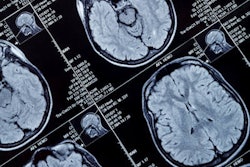
- CT and MRI enable a high-resolution imaging of the inner ear, which is particularly helpful in diagnosing inner ear infections, tumors such as vestibular schwannoma, and congenital malformations.
- Advanced MRI techniques such as diffusion tensor imaging and functional MRI offer the possibility of visualizing nerve pathways and their connections.
- Radiological examinations play a crucial role in the preoperative planning and postoperative monitoring of cochlear implants.
- Interventional radiology offers targeted minimally invasive treatments, such as targeted embolization of tumors in the middle ear area to stop their growth or facilitate surgical removal.
"Radiology is more than just a diagnostic tool -- it is an integral part of modern hearing medicine. Thanks to innovative technologies, we can offer increasingly targeted and effective solutions for our patients," Langner concluded.







![Overview of the study design. (A) The fully automated deep learning framework was developed to estimate body composition (BC) (defined as subcutaneous adipose tissue [SAT] in liters; visceral adipose tissue [VAT] in liters; skeletal muscle [SM] in liters; SM fat fraction [SMFF] as a percentage; and intramuscular adipose tissue [IMAT] in deciliters) from MRI. The fully automated framework comprised one model (model 1) to quantify different BC measures (SAT, VAT, SM, SMFF, and IMAT) as three-dimensional (3D) measures from whole-body MRI scans. The second model (model 2) was trained to identify standardized anatomic landmarks along the craniocaudal body axis (z coordinate field), which allowed for subdividing the whole-body measures into different subregions typically examined on clinical routine MRI scans (chest, abdomen, and pelvis). (B) BC was quantified from whole-body MRI in over 66,000 individuals from two large population-based cohort studies, the UK Biobank (UKB) (36,317 individuals) and the German National Cohort (NAKO) (30,291 individuals). Bar graphs show age distribution by sex and cohort. BMI = body mass index. (C) After the performance assessment of the fully automated framework, the change in BC measures, distributions, and profiles across age decades were investigated. Age-, sex-, and height-adjusted body composition reference curves were calculated and made publicly available in a web-based z-score calculator (https://circ-ml.github.io).](https://img.auntminnieeurope.com/mindful/smg/workspaces/default/uploads/2026/05/body-comp.XgAjTfPj1W.jpg?auto=format%2Ccompress&fit=crop&h=112&q=70&w=112)


