Dear AuntMinnieEurope Member,
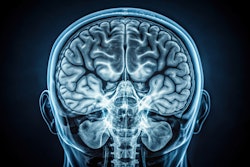
A few years ago, it was virtually inconceivable that AI could get to grips with the complexities of a brain MRI scan. Now it appears that the technology has advanced so much that most clinicians believe it can handle the task perfectly well, particularly as a first reader.
The findings of a new U.K. study in this area deserve a close look. The challenge ahead is to implement the AI tool clinically and roll it out nationally. Neuroradiologist Dr. Tom Booth and his colleagues at Guy's and Thomas' in London have already started work on these tasks, and we'll follow their progress with keen interest.
Reliable data about the cost-effectiveness of beginning breast cancer screening at the age of 40 are in short supply, so the publication of research from Canada is bound to generate interest.
The ESR's annual elections start next week. The big surprise is that over half of the posts to be filled are uncontested – perhaps due to the large amount of work involved at a time when most radiologists are busier than ever. Thankfully, the candidates who are standing are top quality.
In other ESR-related news, Dr. Paola Clauser's appointment as editor in chief of Insights into Imaging is very welcome. During her 30s, she coped well with the move from Italy to Austria, and she's now a respected researcher. She seems an ideal person to follow in the footsteps of Prof. Luis Martí-Bonmatí, a longstanding member of our Editorial Advisory Board.
To end on a lighter note, regular columnist Dr. Paul McCoubrie has got five more cartoons and rules of radiology for you to enjoy. Check them out here.
Philip Ward
Editor in Chief
AuntMinnieEurope.com