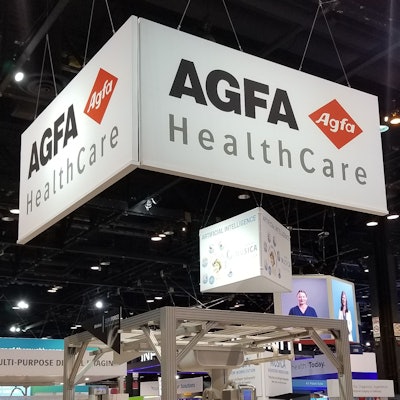
Agfa-Gevaert Group, parent company of Agfa HealthCare, is negotiating the sale of part of its healthcare IT business to Dedalus Holding.
On 14 May, Agfa's board of directors started investigating the sale of its healthcare segment and today the negotiation process has begun. Dedalus Holding would acquire 100% of the business at an enterprise value of 975 million euros, subject to regular working capital and net debt adjustments.
The business consists of healthcare information solutions, integrated care activities, and imaging IT to the extent these activities are integrated into healthcare information solutions, which happens mainly in Austria, Germany, Switzerland, France, and Brazil.
The transaction is subject to customary employees' consultations, regulatory approvals, and closing conditions. It is expected that, upon positive conclusion of the negotiations, the transaction will be completed in the second quarter of 2020.
"The expected sale of the business, which generates around 260 million euros of full year revenues, will represent another milestone in our transformation process," said Christian Reinaudo, CEO of the Agfa-Gevaert Group, in a press release. "We are looking forward to this important step. We believe that under Dedalus Holding's ownership, the business will continue to develop into a leading pan-European player in the healthcare IT market."
Going forward, Agfa HealthCare will focus on imaging IT, with the intention to grow revenues and raise the earnings before interest, taxes, depreciation, and amortization (EBITDA) margin performance over time from midsingle-digit percentage of revenues to a double-digit level, Reinaudo said.