Dear AuntMinnieEurope Member,
DUBAI - Anybody who thinks the fierce debate over the value of breast screening is limited to the so-called developed world would no doubt have changed their minds if they'd attended today's discussion at the International Congress of Radiology (ICR 2014).
The 90-minute women's imaging session featured only Middle East speakers, but the intensity and sophistication of the discussion were impressive. Leading the way was Dr. Rola Shaheen, whose keynote address gripped the audience. Click here to read more in our AuntMinnie.com Middle East special section.
Attendance at this week's ICR 2014 may be below expectations, but given the difficulties they've faced, the organizers must be commended for getting the show on the road. To read about the obstacles and how they were overcome, click here. Also, don't miss our picture gallery at the bottom of this article.
The autumn congress season is now in full swing, and this week we've also got two news reports from the European Society of Cardiology (ESC) annual meeting in Barcelona, Spain. To learn about a German study of myocardial infarction patients, click here. And to find out about the potential benefits of ultrasound-guided venipuncture, click here.
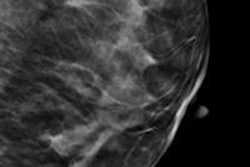
Meanwhile, European Radiology has published an important study about a breast screening protocol that combines single-view digital breast tomosynthesis with single-view 2D digital mammography. For the details, go to our Women's Imaging Digital Community, or click here.
Finally, don't miss our article about new research by Swedish radiologists performed under real-world conditions. It indicates that digital chest tomosynthesis can replace CT for a number of lung exams, saving both money and radiation dose. Visit our Digital X-Ray Community, or click here.