Dear AuntMinnieEurope Member,
When they're done well, poster exhibits can bring prestige to a department and give a boost to an individual's career. When they're done badly, though, they can damage a reputation and cause significant harm.
But what exactly makes a prize-winning poster? And what can you do to get your exhibit noticed? We've posted an interview article with Dr. Maria Argyropoulou about the contents and presentation of posters, conducted by one of our editorial advisers, Dr. Christiane Nyhsen. Click here to find out more.
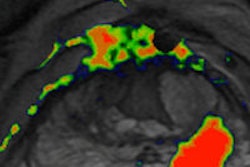
Interpreting complex prostate MRI studies using multiple pulse sequences is no simple task, but Italian researchers think they've found a solution involving the use of computer-aided detection software. Go to our Advanced Visualization Digital Community, or click here.
The CT equipment market has suffered from the global economic downtown, but the worst now appears to be over. Scanners purchased during the boom of 2006-2008 will need to be replaced over the next three years, and that looks set to drive demand. Visit our CT Digital Community, or click here.
It's also a lively time in the digital tomosynthesis sector. Currently few hospitals have the budget to buy new tomosynthesis x-ray systems, but as aging general radiography systems need replacing, adoption of tomo will increase, reducing reliance on CT. Learn more in our Digital X-Ray Community, or click here.
In addition, we have a market roundup for MRI. Despite severe reimbursement cuts, limited healthcare spending, and the threat of European legislation, MRI remains one of the leading modalities, and has become the new champion of radiology for general imaging. Go to our MRI Digital Community, or click here.
Finally, don't miss this week's case report from South Africa. It features a 22-year-old man who was playing football when metal bars -- possibly scaffolding at the stadium -- fell on him. Click here to access it.