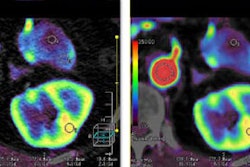
LONDON (Reuters) - Teenagers who spend a lot of time on video games have different structures and activity levels in areas of the brain that are linked to reward, scientists have found, suggesting they get more out of gaming than people who tend to play less.
In a study published online November 15 in Translational Psychiatry, researchers analyzed MRI scans of more than 150 14-year-olds who played video games either moderately or a lot, and found the frequent gamers had a higher volume of grey matter in the ventral striatum.
Previous studies have shown a link between the ventral striatum and video gaming or computer gambling, but this is the first to look at brain structure and volume.
"These findings demonstrate that the ventral striatum plays a significant role in excessive video-game playing and contributes to our understanding of behavioral addiction," Dr. Simone Kuhn of Belgium's Ghent University and Juergen Gallinat of Charite University Medicine in Berlin, Germany, wrote in their study.
Video gaming has become hugely popular in recent years, particularly among teenagers. The average weekly usage in this experiment was around 12 hours a week.
There is an ongoing debate among doctors and researchers about whether excessive video gaming should be recognized as an addiction and seen as a form of mental disorder.
While the German researchers found keen gamers had structural differences in their brains compared to those who played less frequently, they were not able to say whether this was a cause of eagerness to play video games or a change that had come about as a result of their habit.
Dr. Henrietta Bowden-Jones of the neuroscience division at Imperial College London said the findings were highly relevant to clinicians because they "further close the gap" between video gaming and other addictions, giving specialists a better understanding of possible long-term treatment options.
"The exciting next step will be to determine, as with other addictions, whether volumetric differences are a cause or effect of excessive human behavior," she said in an emailed comment about the study.
Dr. Luke Clark of Cambridge University's department of Experimental Psychology said the findings were "really provocative, because this is a central hub in the brain's motivational system and dopamine pathway."
"The burning question ... is whether the structural difference is a change caused by the frequent game play, or whether individual differences in this system naturally dispose some people to more excessive play," he said. "For teenagers, parents, and clinicians to make sense of this finding, we need research monitoring brain structure over time."
By Kate Kelland
Source: http://bit.ly/vF5PSQ
Translational Psychiatry 2011.
Last Updated: 2011-11-15 19:40:26 -0400 (Reuters Health)
Copyright © 2011 Reuters Limited. All rights reserved. Republication or redistribution of Reuters content, including by framing or similar means, is expressly prohibited without the prior written consent of Reuters. Reuters shall not be liable for any errors or delays in the content, or for any actions taken in reliance thereon. Reuters and the Reuters sphere logo are registered trademarks and trademarks of the Reuters group of companies around the world.