The seventh annual Radiology Resident Forum in London showcased breakthrough research on cardiac MRI for predicting arrhythmias, standardized vascular imaging surveillance protocols, and the importance of professional inclusion and accessibility in radiology careers. The hybrid conference featured over 40 international speakers presenting innovations in AI, interventional radiology, and clinical research alongside practical workshops.
- Cardiac MRI advance: Meta-analysis of 1,315 patients found late gadolinium enhancement associated with 2.7x higher hazard ratio for arrhythmic events and sudden cardiac death.
- Vascular imaging standardization: DUSTER program identified significant variation in UK post-revascularization surveillance practices, establishing need for standardized duplex ultrasound protocols.
- Professional inclusion focus: RRF 2026 highlighted accessibility and mentorship in radiology careers, featuring presentations from radiologists navigating physical disability and diverse practice settings.
- Practical training: On-site workshops covered breast biopsy, interventional radiology simulation, and reporting skills alongside scientific presentations.
- Hybrid format: Conference brought together radiology trainees, researchers, and international experts at King's College London on October 18, 2026.
The seventh annual Radiology Resident Forum (RRF) gathered radiology trainees, researchers, and international experts on 18 October 2026 at King's College London's Guy's Campus.
Organized by residents for residents, the hybrid conference featured scientific streams, practical workshops, and a place for networking and professional development.
According to the organizers, more than 40 speakers and international panelists were part of the program, which ranged from artificial intelligence (AI) and interventional radiology to clinical research and professional inclusion.
 RRF Forum 2025RRF
Cardiac MRI may improve risk stratification
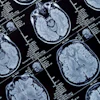
One research presentation examined late gadolinium enhancement (LGE) as a predictor of arrhythmic events in patients with nonischemic cardiomyopathy.
A meta-analysis presented at the conference, comprising five observational studies involving 1,315 patients, found an association between LGE and arrhythmic events, including sudden cardiac death and appropriate implantable cardioverter-defibrillator (ICD) therapy (pooled hazard ratio, 2.7).
The findings suggest that myocardial fibrosis detected by cardiac MRI may provide additional prognostic information beyond left ventricular ejection fraction. However, the presenters emphasized variations in LGE assessment and the need for prospective validation before MRI findings can reliably guide ICD decisions.
Vascular imaging informs surveillance strategies
Dr. Ankur Thapar, a vascular surgeon affiliated with Mid and South Essex NHS Foundation Trust in Basildon, U.K., presented research from the Duplex Ultrasound after Endovascular Revascularisation (DUSTER) program.
The investigators identified considerable variation in UK post-revascularization surveillance practices, including imaging frequency, examination protocols, and thresholds for reintervention.
The randomized feasibility trial was designed to evaluate the acceptability and practicality of integrating duplex ultrasound into clinical follow-up, ahead of a proposed larger effectiveness trial. Patient communication and standardized reporting emerged as additional priorities.
Another presentation demonstrated the complementary role of barium swallow and CT angiography in assessing esophageal compression associated with a right-sided aortic arch, Kommerell diverticulum, and aberrant left subclavian artery.
Despite significant anatomical findings, the multidisciplinary team opted for conservative management with CT surveillance, taking the patient's minimal symptoms into account.
Radiology beyond research
Dr. Mahnoor Hafeez, MBBS, FCPS, FRCR, EDiR, of Dow University of Health Sciences in Karachi, Pakistan, shared her professional journey as a radiologist navigating physical disability, making aware of the importance of accessibility, mentorship, and inclusion in medical careers.
Dr. Dominic Yu, consultant interventional radiologist at the Royal Free Hospital in London, U.K., offered a behind-the-scenes perspective on interventional radiology practice.
His presentation illustrated procedures ranging from embolization and dialysis access interventions to image-guided biopsies and ablations, alongside the challenges of prioritizing urgent cases.
The on-site workshops covered breast biopsy, interventional radiology simulation, and reporting skills, complementing the scientific presentations with practical training opportunities.