The Royal College of Radiologists (RCR) has praised the U.K. government for establishing a 21-million-pound (24.4-million-euro) AI diagnostics fund.
"At a time when diagnostic services are under strain, it is critical that we embrace innovation that could boost capacity -- and so we welcome the Government's announcement of a 21-million-pound fund to purchase and deploy AI diagnostic tools," said RCR President Dr. Kath Halliday in a statement issued on 23 June.
"There is huge promise in AI, which could save clinicians time by maximizing our efficiency, supporting our decision-making, and helping identify and prioritize the most urgent cases. Together with a highly trained and expert radiologist workforce, AI will undoubtedly play a significant part in the future of diagnostics," she noted.

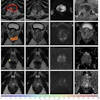






![A normal mammogram confirmed by three-year radiologic follow-up illustrates reader-marked regions of interest (ROIs) during (A) unaided (round 1) and (B) artificial intelligence (AI)–assisted (round 2) reading. Each colored dot represents an ROI for recall by a human reader. Readers could mark more than one ROI per case, represented by multiple dots of the same color. During AI-assisted reading, the AI system displayed three visible prompts: two with suspicion of malignancy scores of 35% (left mediolateral oblique [L MLO] and craniocaudal [L CC]) and one with a suspicion of malignancy score of 10% (right craniocaudal [R CC]), shown as polygonal overlays. Without AI, six of 10 readers (60%) marked a false-positive ROI. With AI assistance, this fell to two of 10 (20%). R MLO = right mediolateral oblique.](https://img.auntminnieeurope.com/mindful/smg/workspaces/default/uploads/2026/07/2026-07-14-radiology-mammogram-ai-auto-bias.H0bYO8QlWs.jpg?auto=format%2Ccompress&fit=crop&h=112&q=70&w=112)


