The University of Turku in Finland has highlighted research showing that gambling is linked to brain networks involved in self-control and brain reward functions.
 Albert Bellmunt Gil.University of Turku
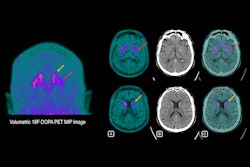
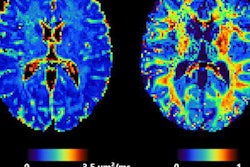
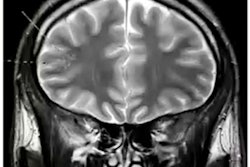
In a doctoral dissertation, Albert Bellmunt Gil used structural MRI, functional MRI, and PET imaging to study brain networks in 20 older adults with gambling disorder and 40 sex- and age-matched healthy controls. The comparison revealed that gambling disorder is linked to disrupted connections between the frontal cortex and subcortical brain regions, such as fronto-striatal circuits.
“In particular, connections between the dorsolateral frontal cortex and nucleus accumbens -- the key brain reward nucleus -- were weaker than normal, which may make it harder to stop gambling once urges arise,” Bellmunt Gil said, in a release from the university.
Ultimately, the findings provide biological evidence that may help guide more targeted treatment approaches in the future, according to Bellmunt Gil. He defended his dissertation on 16 January. Further details can be found here.