Cardiac MRI could estimate heart failure in patients and help patients avoid risky right heart catheterization, according to research published January 28 in JACC Advances.
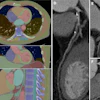
Researchers from the University of East Anglia in Norwich, U.K., developed a measure that utilizes T2 mapping of MRI exams to show how much oxygen is left in the blood as it returns to the heart. The research was performed in collaboration with the University of Leeds and Newcastle University.
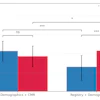
The researchers first tested the technique in 30 patients and found the MRI results closely matched the invasive catheter readings. They then tested this approach on 628 people with newly diagnosed heart failure, following them for around three years. The researchers found that patients with healthier oxygen readings on MRI were significantly less likely to die or end up in the hospital due to their condition.
This measure also stayed accurate even after accounting for age, other illnesses, and overall heart function, the team added.
The study authors wrote that future research is needed to confirm the findings in different hospitals and patient groups, as well as to determine best practices in day-to-day decision-making.