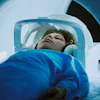
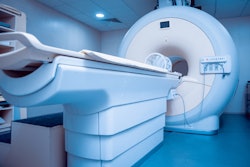
An MRI scan that resulted in a patient's death deviated from national recommendations due to the facility's lack of readiness to safely perform MRI scans for a patient under sedation, a Finnish safety investigation has found.
The inquest focused on an MRI incident at an undisclosed private clinic in Kuopio on 2 January 2025, when a patient died after anesthetics were administered during an MRI procedure. The case highlights the difficulty of monitoring, self-supervision, and implementing nonoperating room anesthesia, according to Safety Investigation Authority Finland (SIAF) in its 10 February 2026 report follow-up.
"In this case, the amount of anaesthetic agent administered during the MRI examination resulted in a situation equivalent to general anaesthesia," expert Mikko Virtanen noted for SIAF.
The middle-aged patient, who was not named in the report, had sought treatment for worsening shoulder pain. The patient had already been imaged without sedation that day, and a second scan was suggested by the anesthesiologist, according to the report.
At the end of the second scan, it was observed that the patient’s condition had deteriorated, and the person became lifeless. The oxygen flow administered through an oxygen mask had been too low and contributed to causing respiratory depression, the report explained.
An MRI-compatible monitor required to monitor the patient’s basic vital signs was not available, and the patient’s deteriorating condition was not noticed in time, Virtanen said in comments posted by SIAF.
Ultimately, the clinic and clinic staff were not prepared or trained for an emergency, the investigation revealed. Resuscitation and patient transfer equipment had to be retrieved from other spaces in the medical center (the patient was resuscitated but later died in a hospital).
"The investigation found that the medical centre’s self-supervision plan and risk management were inadequate," the report said, adding that the agreement between the medical center and the company providing anesthesia services was also "general in terms of specifying responsibilities and roles."
Nonoperating room anesthesia (NORA) has become more common in different environments, but no uniform national instructions or clear minimum requirements have been defined for them, lead investigator Hanna Tiirinki said regarding the case. Varying practices increase safety risks, she added, recommending an examination of the multi-operator environment and the entire “chain” in order to ensure safe services.
SFIA also recommended the following:
- Ensuring the development of self-supervision in a way that provides clear and uniform instructions for the practical implementation and evaluation of self-supervision.
- Ensuring that national minimum requirements and safe implementation methods are specified for NORA activities.
- Developing systematic data collection concerning private healthcare procedures in order to provide a comprehensive picture of them to meet the needs of different authorities.
Find the full report and commentary here.