Dear MRI Insider,
September is a vintage month for sport. The Rugby World Cup kicks off in France on Friday, the U.S. Open tennis reaches its climax this weekend, the group stage of the Champions League begins on 19 September, and the Ryder Cup golf event takes place in Rome at the end of the month.
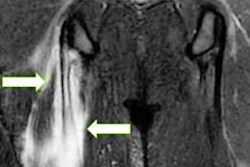
MRI rules supreme when it comes to sports imaging, as shown by today's special feature about imaging of soccer, weightlifting, and bodybuilding injuries. Musculoskeletal specialists from the U.K. and Egypt have shared their experiences, including four sets of clinical images.
Predicting how multiple sclerosis will progress can be tricky, and biomarkers are needed that can help to distinguish between patients who will show rapid disability accumulation and those who will remain stable. In today's second article, a German group has used MRI to investigate the effectiveness of these biomarkers.
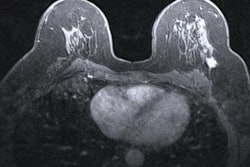
In other news, MRI screening in prostate cancer continues to attract support. A clinical trial conducted at University College London has provided important new data here. Don't miss our news report.
The optimum use of imaging in patients with long COVID remains a challenge for researchers. Scientists from Hungary have unveiled results in this area, and their analysis deserves a close look.
Any research conducted at Erasmus University Medical Center in Rotterdam, the Netherlands, needs careful consideration. Authors have developed an AI model trained on Dixon MRI that may help with large studies researching abdominal fat distribution in children.
In this newsletter, we've outlined a few of the many reports posted in the MRI Community over the past month or so. Please scroll through the full list below, and feel free to contact me if you have ideas for future coverage.