Dear AuntMinnieEurope Member,
It's safe to say unveiling our list of top 10 stories is one of the editorial team's most pleasurable tasks of the year. It's always a treat to relive some of our best scoops and see the fruits of our labor.
The biggest shock in the 2024 list is probably at the number two spot: The saga of Dr. Martin Schranz gripped many of you throughout January. Another surprise is that the top five articles came from five different European nations. Check out the full list for yourself.
The hot news in Italy during December has been the case of Andrea Purgatori, a crime reporter who died in July 2023. Three radiologists and a cardiologist now face the prospect of legal action. We've summarized the coverage in the national media.
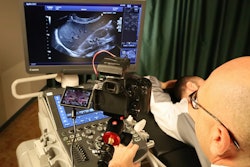
On a happier note, radiologists in Naples, Italy, have reported positive results from the introduction of ultrasound training methods based on virtual reality and augmented reality. Effective education is integral to the success of an operator-dependent technique like ultrasound, so this is a welcome development.
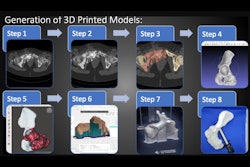
Given its relatively low cost, the use of 3D printing is of particular appeal in regions where resources are tight. Researchers have found that creating 3D-printed models can cost a little over €20 each. Find out how in our special report.
Radiologists continue to explore the potential of large language models (LLMs) to assist in their workflows. Important new research suggests that LLMs could serve as virtual advisers by guiding researchers in selecting the most appropriate AI models for their studies.
On behalf of everyone at AuntMinnieEurope.com, I wish you all the very best for the holiday season. We will be back on 2 January to bring you the news that matters in the world of medical imaging.
Philip Ward
Editor in Chief
AuntMinnieEurope.com