Dear AuntMinnieEurope Member,
It's widely known that accurate and comprehensive information on cyberattacks is in short supply, so new research by a Dutch-led team is most welcome.
The authors highlight a lack of data on specific recommendations for emergency physicians and radiologists for addressing cybercrime and continuing patient care, and they underline the importance of preparation in reducing the marked clinical effect of cybercrime.
When it comes to tricky cases of vocal cord paralysis, CT rules supreme and is the imaging modality of choice. It's particularly effective for detecting any underlying malignancies in these patients, prizewinning researchers from Barcelona, Spain, have stated. The group has shared its experiences in this field, including three clinical cases that deserve a close look.
In another report posted in the CT Community, we focus on an important German study about the incidence of intracranial hemorrhage in severe cases of COVID-19. Nine university hospitals participated in research that included all COVID-19 patients who were treated in intensive care units and who underwent at least one brain CT scan from March 2020 to April 2022.
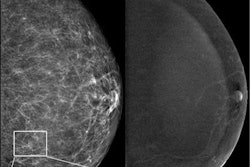
Can additional mammographic information beyond breast density -- computer-aided detection suspicion scores, for instance -- lead to improvements in predicting breast cancer risk? Investigators from Italy, Greece, and U.K. have addressed this question. Find out more in the Women's Imaging Community.
To end this week's newsletter, we bring good news for martial arts enthusiasts. A study has demonstrated clear positive effects of a one-year recreational kung fu protocol on bone health parameters in a group of young inactive men.