Dear AuntMinnieEurope Member,
New research from Spain shows just how popular WhatsApp has become among radiology staff, particularly during the COVID-19 pandemic, when it's been essential to share information quickly and easily.
A survey presented at ECR 2021 found that 17 members of the emergency radiology team at a hospital in Barcelona rely heavily on WhatsApp for group communication, even when sharing cases. This has led to concerns about the security of data on instant group messaging apps. Two readers -- Dr. Erik Ranschaert and Dr. Tom Oakley -- have sent us feedback. You can read their comments below the story or in our Forums section. Please do get involved in this important discussion.
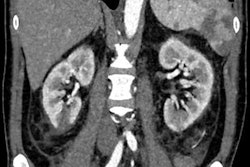
Italy was at the center of Europe's first wave of the pandemic, and the country's radiologists have learned a great deal about imaging of COVID-19 over the past year. During ECR 2021, two leading Italian gastrointestinal radiologists shared their experiences of renal complications of the disease.
Whether Prof. Dr. Christiane Kuhl, PhD, is giving a virtual or a face-to-face presentation, you just know it's going to be clear, informative, and essential listening. This was certainly the case at last week's congress, when she gave a sparkling lecture about how to identify malignant lesions on breast MRI. Find out more in our Women's Imaging Community.
Traditional wire-guided localization of breast lesions can be distressing for patients because they are left with a wire in the breast that protrudes from the chest and stays in place until the time of surgery, so the introduction of magnetic seeds is a welcome development. U.K. researchers have confirmed that magnetic seeds are a feasible, cost-effective, and safe method of localizing breast lesions.
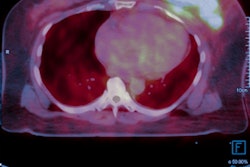
How to image obese patients remains a serious challenge, but not an impossible one, according to Dr. Susan Copley of Imperial College Healthcare NHS Trust London. Don't miss our report about her work in this area. Go to the CT Community to read more.