Dear AuntMinnieEurope Member,
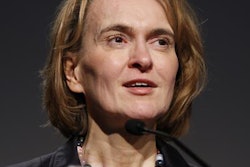
How appropriate that Prof. Christiane Kuhl had the final word at last week's International Society for Magnetic Resonance in Medicine annual meeting.
Kuhl's always such an insightful speaker, and no doubt delegates left Montreal with clear minds and a fresh perspective on breast cancer screening. To find out what she had to say, head over to the Women's Imaging Community.
A smaller, more intimate MRI gathering took place in Mons, Belgium, earlier this month. The Maverinck delivered the opening lecture, in which he gave a personal view on where MRI is heading in the future. If you have an opinion here or don't agree with his perspective, please leave a comment in our Forums. Part 2 of this lecture will follow soon.
What do radiologists expect from artificial intelligence (AI)? French researchers surveyed 270 radiologists and residents, who voiced their concerns about AI. Our news report about the key survey findings contains fresh input from the lead author. Go to the Artificial Intelligence Community.
London's Great Ormond Street Hospital is a center of excellence in pediatric care, and ground-breaking work is being done there on postmortem imaging. Don't miss this interview with consultant radiologist Dr. Owen Arthurs.
The capacity of a fetus' head to change shape during the second stage of labor, or fetal head molding, is well known but hardly ever examined with medical imaging. Researchers from France have shared their experiences of 3D MRI in this area. Visit the Advanced Visualization Community.
Last but not least, a Spanish team has looked at giant cell arteritis and the role PET/CT plays in diagnosing and assessing the inflammatory disease, which causes the large blood vessels to narrow and restrict blood flow. The group provides evidence of a link between vascular patterns at the time of diagnosis for giant cell arteritis and a patient's risk of an ischemic event.