NEW YORK (Reuters Health), Jun 21 - Treatment with fluoxetine or repetitive transcranial magnetic stimulation (rTMS) modulates dysfunction of the frontal-limbic network seen in patients with Parkinson's disease and depression, according to a report in the June 13th issue of Neurology.
"Depression in Parkinson's disease affects a similar brain circuitry as compared to major depression," Dr. Felipe Fregni from Harvard Medical School, Boston told Reuters Health. "rTMS and fluoxetine are effective in modifying the pathological neural activity of this neural circuit and improving depression."
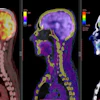
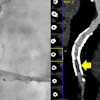
Dr. Fregni and colleagues used brain SPECT to investigate the effects of rTMS and fluoxetine on regional cerebral blood flow in 26 Parkinson's disease patients with depression and in 29 healthy age-matched control subjects without depression. The Parkinson's disease patients were randomized to rTMS or fluoxetine.
The Parkinson's disease patients showed five main clusters of decreased perfusion compared with healthy controls, the authors report.
Treatment with rTMS increased blood flow in several affected areas after two and eight weeks, the results indicate. There was also a decrease in blood flow in the right hemisphere after eight weeks of treatment.
Fluoxetine resulted in similar increases in blood flow, the researchers note, along with decreases in the right prefrontal lobe, right occipital lobe, and left insula.
Improvements in depression correlated with increased activity in the posterior cingulated gyrus and decreased activity in the right medial frontal gyrus, the investigators explain. Patients with larger mood improvements had greater changes in both areas after two weeks that were less pronounced by eight weeks of treatment.
The findings suggest that "rTMS may be a similarly effective treatment of depression as fluoxetine," writes Dr. Felix M. Mottaghy from University of Ulm, Germany, in a related commentary. However, a multicenter, double-blind study is needed, "with patients randomized to active versus sham treatment with one of the newer coils emitting clicks without inducing a magnetic field."
Dr. Fregni added that "based on the knowledge that we have so far, rTMS might be a good option for Parkinson's disease patients with depression and also some degree of dementia. On the other hand ... antidepressants are preferable for young patients with mild disease, using few antiparkinsonian drugs."
"SPECT might be used to monitor antidepressant treatment," Dr. Fregni said. Clinicians could use SPECT to evaluate brain changes after rTMS and determine if a patient needs additional treatment. "This would be a more objective measurement that might increase the clinical efficacy of this treatment."
Last Updated: 2006-06-20 11:35:50 -0400 (Reuters Health)
Neurology 2006;66:1629-1637,1615.
Related Reading
Implanting retinal cells in the brain eases Parkinson's symptoms, December 14, 2005
Copyright © 2006 Reuters Limited. All rights reserved. Republication or redistribution of Reuters content, including by framing or similar means, is expressly prohibited without the prior written consent of Reuters. Reuters shall not be liable for any errors or delays in the content, or for any actions taken in reliance thereon. Reuters and the Reuters sphere logo are registered trademarks and trademarks of the Reuters group of companies around the world.