Dear Women's Imaging Insider,
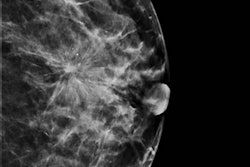
Breast cancer screening is coming under closer scrutiny than ever before, it seems.
In England, a comprehensive independent review of adult screening services, including the breast cancer program, was completed on 16 October. Conducted by Dr. Sir Michael Richards, former national cancer director for the U.K. Department of Health and Social Care, the investigation began in October 2018, and it's called for sweeping reforms to the system.
Now it's France's turn. The nation's approach to breast screening was debated keenly at this month's French national congress (JFR), and urgent decisions are pending about the use of digital breast tomosynthesis and digital second reading of exams. Don't miss our interview with Dr. Luc Ceugnart, who is head of imaging at the Oscar Lambret Centre in Lille.
How to optimize therapy for uterine fibroids is another topic of enduring appeal. A Dutch study published on 15 October has found that MR-guided high-intensity focused ultrasound is a safe and effective procedure for uterine fibroids, and its reintervention rate compares well to that of uterine artery embolization.
Meanwhile, researchers from a top London facility have highlighted the clinical value of ultrasound scans performed late in pregnancy. After evaluating 52,400 single-fetus pregnancies, they concluded that assessing pregnancy at 35 to 37 weeks of gestation with ultrasound helps predict the development of preeclampsia and plan delivery of babies that are small or large for their gestational age. Also, they noted that ultrasound can identify abnormalities overlooked on early ultrasound exams.
In any imaging investigation, patient comfort is a top priority. Important new research published in the European Journal of Radiology suggests that conebeam CT (CBCT) is a more comfortable option than mammography, largely because CBCT does not involve compression.
This letter features only a few of the news reports posted over the past month or so in the Women's Imaging Community. Please scroll through the full list of our coverage below.