It comes as no surprise that demand for most forms of medical imaging continues to rise in the postpandemic era. It is worth spending a few minutes thinking about why this should be and where the extra demand is coming from.
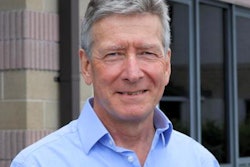
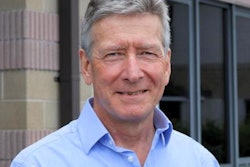
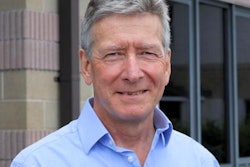
 Dr. Giles Maskell.
Some of this demand is to be welcomed – what you might call "good" extra demand.
As therapeutic options increase, for example in cancer, there is a need for additional imaging to monitor treatment response. Sometimes, additional imaging is an unforeseen consequence of developments in clinical practice: the undoubted health benefits of anticoagulation in patients with some types of cardiovascular disease come with an inevitable requirement for additional CT scanning when these often frail patients present with repeated falls and minor head injuries.
The dissemination of evidence-based screening for lung cancer with CT is another example of "good" extra demand.
In the case of the U.K., international comparisons have shown low levels of imaging utilization when compared with other developed countries (e.g., see October 2020 report). This has been linked to relatively poorer health outcomes, and an increase in demand is therefore probably appropriate.
But not all of the additional demand is so welcome. The sharpest rises are occurring in the acute setting and – in the U.K. at least – appear to be a by-product of the current unsustainable pressure on emergency departments.
It seems that imaging is increasingly being used as a substitute for clinical examination and as a form of triage to determine which patients warrant urgent attention and which could be discharged.
To streamline processes and speed up the patient pathway, the decision to image a patient is often delegated to junior staff – medical or non-medical. The assessment of a patient now often seems to start with the taking of a rudimentary history, the purpose of which is simply to determine which parts of the body to image. Only after initial imaging is a proper clinical question formulated, often necessitating repeat imaging with a protocol better designed to answer that question.
Alongside this we see the growth of "medicine by protocol", in which every patient who fulfills certain criteria is subjected to a particular test, and nobody asks whether this individual patient is going to benefit from it.
Tolerance of uncertainty
Above and beyond these specific examples, one of the most potent drivers of increased demand is the changing societal attitude towards tolerance of uncertainty. Imaging is often seen increasingly by patients and their families as a means of reducing uncertainty, adding to pressure on our clinical colleagues to perform additional tests.
As radiologists, we are not immune to the desire to reduce uncertainty and our usual strategy is to advise further imaging. Sometimes it feels as though no radiology report is complete unless it includes a recommendation for a further test – a fundamental misunderstanding of the concept of the "actionable report"!
From time to time, we are asked as radiologists to play a part in reducing demand for imaging – generally, in our tax-funded National Health Service, with a view to cost containment. Giving advice on imaging strategies has always been part of our role, with a view to ensuring as far as possible that each patient gets the best test to answer the clinical question. This becomes much harder when the clinical question is not clearly formulated.
There are good reasons for us wanting to control demand – not simply to ease the relentless pressure on ourselves and our services, but to ensure that those patients in greatest need do not get lost in the morass of those who are most unlikely to benefit. However, as we have seen, most of the drivers of increasing demand are not within our control.
Coping with the increasing demand is very much our problem. Curbing it is largely down to the actions of others elsewhere in the healthcare system.
Dr. Giles Maskell is a consultant radiologist at Royal Cornwall Hospitals National Health Service (NHS) Trust, Truro, U.K. He is a former president of the U.K. Royal College of Radiologists. Competing interests: None declared.
The comments and observations expressed herein do not necessarily reflect the opinions of AuntMinnieEurope.com, nor should they be construed as an endorsement or admonishment of any particular vendor, analyst, industry consultant, or consulting group.