Dear AuntMinnieEurope Member,
How can healthcare organizations protect themselves from cybersecurity attacks? This question has become particularly relevant given the recent hacking episode in Ireland.
In a column this week, cybersecurity expert Motti Sorani of CyberMDX discussed 10 steps that health systems can take now to bolster their IT defenses. Many of these are relatively easy to implement, he noted, in an article that was our top story for the week.
In other news, the optimal breast screening regimen for older women continues to be a point of debate. Italian researchers tested a protocol that used a three-year screening interval, and we reported on their results in an article in our Women's Imaging Community.
In other women's imaging news, a decision to stop breast screening in the Australian state of New South Wales due to the COVID-19 pandemic is not sitting well with lawmakers there, who have asked for a resumption of screening services.
In the area of men's health, Swedish researchers this week reported on their development of a new type of blood test that they believe can help guide more efficient use of MRI to screen for prostate cancer in men with elevated prostate-specific antigen levels.
What do radiologists really need to know about sepsis? This condition is increasingly being seen in patients with COVID-19 who eventually die of the disease. Read the thoughts of Prof. Dr. Sebastian Ley, chief physician at the Artemed and Internal Medicine Clinics, Munich South, and chairman of the Thorax Diagnostics Working Group at the German Röntgen Society.
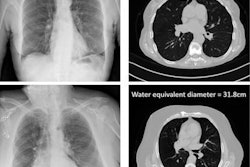
Finally, don't start your weekend without reading the latest from our content partner PhysicsWorld on how researchers in Belgium have developed a metric that uses x-ray images to estimate patient size for radiation dose assessment.