Dear AuntMinnieEurope Member,
How long should your radiology report be? How can you make it more relevant and useful for a clinician? What exactly should be in it? Which words and phrases should you avoid?
These are the types of questions radiologists grapple with every day, and our regular columnist, Dr. Paul McCoubrie, has provided some answers in a hugely entertaining new podcast. You can read more in this week's top story.
A standout session at the recent ECR Summer Edition focused on the rise of the machine in interventional radiology. Dr. Florian Wolf from Vienna General Hospital gave a thought-provoking presentation about his vision of the department of the future. Find out more in the MRI Community.
The implications of May's crippling cyberattack on the healthcare service in Ireland are only now becoming clear. In an update, Dr. Adrian Brady from Cork gives a typically honest account of the extremely challenging situation facing radiology in his country.
Also in the Enterprise Imaging Community, you can read about market analyst Steve Holloway's views on the central role of cloud adoption in combating cybersecurity threats. He gave a talk on this subject at last month's UK Imaging & Oncology Congress.
The use of MRI in prostate cancer screening remains a hot topic. The findings of an important Swedish study were published on 9 July, and they deserve a close look.
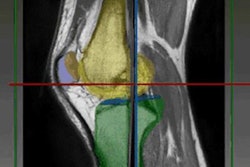
Finally, if you haven't already tried Board Review, our free training tool developed in collaboration with the European Board of Radiology, I'd urge you to do so. We've just posted a set of new musculoskeletal questions. Please give them a try and let me know what you think.