According to the Royal College of Radiologists' 2025 census, while 75% of radiology departments now use AI, hospitals are deploying it for clinical tasks when administrative applications like report drafting deliver the greatest workload reduction. AI adoption has surged but hasn't yet relieved clinician burden because departments lack the staffing and expertise to implement it effectively.
- Only 13% of radiology departments use AI for staff scheduling, despite it being where AI delivers biggest workload reductions
- 24% of departments report reduced workload when using AI for report drafting, the highest impact of any radiology use case
- 75% of radiology departments now use AI clinically to identify scan features, up from 69% in 2024
- The UK faces a shortage of 2,300 clinical radiologists and 230 clinical oncologists needed to meet current demand
- RCR recommends prioritizing AI for administrative tasks and ensuring all cancer centers access AI for radiotherapy treatment planning
The promise was that AI would take on the mundane work, the admin, making jobs easier and faster and freeing clinicians for the tasks that need them. It hasn't landed there yet.
According to new 2025 workforce data from the U.K. Royal College of Radiologists (RCR), AI is in the wrong seat: it is least used for the very tasks where it delivers the biggest workload reductions.
 Impact of AI tools on radiologists' workload, 2025. Drafting reports shows the largest share reporting decreased workload (24%), yet it is among the least adopted uses. Chart courtesy of the 2025 UK workforce data from the Royal College of Radiologists (RCR).
Radiologists spend significant time on admin, and AI has clear potential to lift that burden. Yet only 13% of departments use AI for staff scheduling and rotas, 12% for managing referrals and appointments, and 11% for report drafting. And report drafting is where AI pays off most. Of departments using it that way, 24% say it reduces their workload, the highest of any radiology use case in the census.
Meanwhile, three-quarters of radiology departments now use AI, up from 69% in 2024. The most common application is clinical: 58% use AI to help identify features of interest on scans.
 Workload impacts of various AI tools in oncology, 2025. Primary tumour contouring/OAR delineation shows the largest share reporting decreased workload (76%). Chart courtesy of the 2025 UK workforce data from the Royal College of Radiologists (RCR).
Same story in oncology. Some 81% of cancer centers now use AI for at least one purpose, up from 63% a year earlier. The primary use is radiotherapy treatment planning, where AI outlines tumors and organs for an oncologist to check. Of centers using AI this way, 76% report a reduced workload. But admin applications remain thin. Just 26% of cancer centers use AI for drafting reports, though 29% of those that do say it eases their workload.
For now, the census is candid that wider adoption has not yet translated into relief. Despite AI reaching 75% of radiology departments, the 2025 data suggest it is not reducing radiologists' workloads overall. Implementing, monitoring, and evaluating these tools takes time, expertise, and staffing that departments do not have to spare.
Workforce shortfall
That caveat ties back to the workforce shortfall running through the wider census. RCR President Dr. Stephen Harden was clear that technology is not a substitute for people.
"AI does not mean we need fewer doctors," he said. "In fact, the U.K. is short of 2,300 clinical radiologists and 230 clinical oncologists needed just to meet current demand, with shortages set to worsen amid soaring demand for scans and cancer care."
Harden said AI would "deliver its greatest benefits for patients when we have the workforce, infrastructure and clinical oversight needed to implement it safely and effectively," and called for practical guidance, alongside regulation, to help clinicians select, implement, and monitor AI in day-to-day practice. He pointed to continued work with NHS England on developing it.
The RCR recommends that the NHS prioritize effective AI tools for administrative tasks in both radiology and oncology, and ensure all cancer centers can access AI for radiotherapy treatment planning.
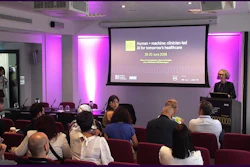
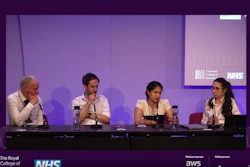
The findings were published alongside the RCR's 2025 workforce census, and land as the college convenes its Global AI Conference, "Human + machine: clinician-led AI for tomorrow's healthcare," in London and online on June 29 and 30.