Dear AuntMinnieEurope MRI Insider,
The role of imaging in patients with back pain remains a hotly disputed topic, so new recommendations from the musculoskeletal working group of the German Radiological Society are bound to attract plenty of interest. What's more, the group's protocols on MRI examinations of the spine are refreshingly clear, precise, and brief.
Dr. Andrea Baur-Melnyk from Munich has given an interview about the background and the contents of the guidelines. Find out more here.
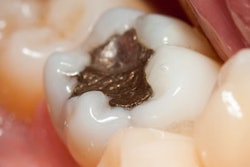
Researchers from Turkey have used 7-tesla MR systems to obtain some useful findings about the release of toxic mercury from amalgam dental fillings at ultrahigh-field scanning. The effect was not found when 1.5-tesla machines were employed. Click here for the full story.
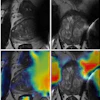
Artificial intelligence (AI) was a central theme at the joint congress of the International Society for Magnetic Resonance in Medicine (ISMRM) and European Society for Magnetic Resonance in Medicine and Biology, held in Paris last month. Dr. Konstantin Nikolaou from Tübingen, Germany, spelled out why he thinks multimodality, multiparametric, or complex MRI diagnoses using AI are still a long way off. To learn more, click here.
Also, don't miss our exclusive interview with Dr. Daniel Sodickson, PhD, president of the ISMRM. He's convinced that ISMRM has an important role to play in AI. Click here to get the details.
The World Cup in Russia has been widely praised so far for both the action on the pitch and the local organization. Considerable use of MRI has been made since the tournament began on 14 June. Read more here about the training of radiologists and radiographers.
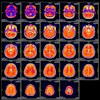
The global imaging community is still on a steep learning curve about the optimum clinical use of PET/MRI. A Swiss-led study was published recently in the Journal of Nuclear Medicine about FDG dose in breast cancer patients. For our news report, click here.
This letter features only some of the numerous articles posted over the past few weeks in the MRI Community. Please scroll through the full list of our coverage below.