Dear MRI Insider,
Advances in MRI featured prominently at the recent European Society of Cardiology (ESC) annual meeting, and researchers from Lübeck, Germany, were particularly active during the five-day bonanza in London.
Today, we've posted details about their study into left ventricular (LV) thrombus formation following ST-elevation myocardial infarction. These findings are important because the presence of LV thrombi is associated with decreased myocardial salvage, larger infarcts, and more pronounced reperfusion injury, as well as major adverse cardiac events. Click here to learn more.
In a keynote speech at ESC 2015, Dr. Ingo Eitel from the same group spelled out the major trends in cardiac MRI. Get the full details here.
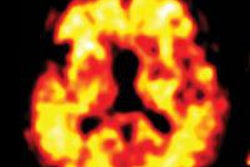
MRI forms an integral part of dementia imaging, which is on the cusp of a revolution, according to a new pan-European article published online by the Lancet Neurology. MRI can now show vascular changes, atrophy, and shrinkage, and markers for functional MRI also are being developed that can highlight changes in activity. To find out more, click here.
E-learning has grown steadily over recent years, but print still has an important role, according to MR expert Dr. Peter Rinck, PhD. In his latest column, he uses the example of a successful MRI textbook to shed light on this area. Click here to read more.
Dizziness and headaches are relatively common among MRI radiographers. A new U.K. study published in European Radiology has confirmed the length of time they spend in an MRI suite could influence how often they are prone to these symptoms. Get the story here.
This letter features only a few of the many articles posted over recent weeks in the MRI Community. Please do check out the rest of our coverage below this message.