A misplaced MRI scan in the U.K. led to delays in treatment for an 8-year-old boy with brain cancer, according to a report published on 30 January in the Daily Mail.
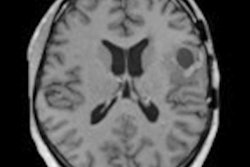
Rhonda Josephs' son Alexander began having seizures in September 2020, and an MRI scan at the Queen Elizabeth Hospital, Woolwich, showed a brain tumor, but a clerical error resulted in the scan being misplaced for three months.
The consultant pediatrician apologized to the mother of two, allegedly admitting to the clerical error that resulted in the scans not being flagged. "He said to me 'we're really sorry but for some reason, the MRI wasn't flagged in the system as him having a tumour, so it has just been sitting there,' " Rhonda told the Daily Mail.
To make matters worse, once the exam results were found and the tumor was identified in December, the COVID-19 pandemic further delayed treatment at a London hospital, the Daily Mail reported.
The patient's family sought to schedule surgery to remove the tumor, but in January 2021, staff at another hospital, King's College Hospital NHS Foundation Trust, London, told the family that cancer surgeries were being postponed because its intensive care unit was being used for COVID-19 patients.
However, after a February scan showed that the tumor had grown, Alexander had surgery in March at London's Royal Marsden Hospital. The tumor grew again, and he underwent a second surgery and began chemotherapy, according to the Daily Mail.
"Although the Royal Marsden is hopeful about Alexander's outcome, there is still only a 20% chance he will survive but the family are hopeful that their fundraising efforts could help them access more pioneering treatments in the future," the report concluded.