A report published by the U.K. Healthcare Safety Investigation Branch (HSIB) on 18 August warns that the delayed diagnosis of cauda equina syndrome (CES) can have a grave impact on patient health.
CES is rare but can be severe, said the HSIB, which was formed in 2017 to offer support and guidance to National Health Service (NHS) organizations on investigations, and to carry out certain investigations itself.
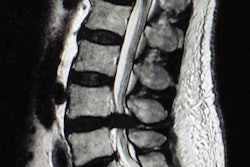
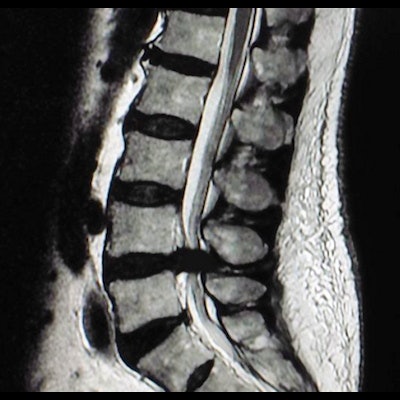
The document contains information about the case study of a 32-year-old woman whose CES diagnosis was delayed; after six visits to her general practitioner over two months and three emergency department visits, she underwent MRI, which identified a "75% blockage of the spinal canal." She had surgery but continues to experience back pain and neurological problems, according to HSIB.
The report also includes the following findings:
- When patients with suspected CES receive an MRI scan can vary.
- There is no National Institute for Health and Care Excellence (NICE) guidance on CES.
- Treatment pathway protocols also vary across the NHS.
- Patient information on CES symptoms is inconsistent.
The report concludes with six safety recommendations and three safety observations, aimed at reducing the delay in diagnosis via MRI scans, developing consistent national pathways/guidance, and improving communication to patients. Its core advice is as follows:
- The British Association of Spine Surgeons, supported by the Royal College of Surgeons of England and the Royal College of Emergency Medicine, must develop a decision-making tool to support the identification of patients who need an immediate MRI for suspected CES (which may result in the patient being transferred for MRI if this is not immediately available at the assessing site).
- Guidance should be developed by the Royal College of Radiologists, supported by the Society and College of Radiographers, stating that all hospitals should reserve the first MRI slot of the day for patients with suspected CES who do not meet the criteria for an 'emergency'/immediate scan overnight.
- The British Association of Spine Surgeons must oversee the development of national guidance to identify how 'urgent' and 'emergency' requests for scans for suspected CES are defined and prioritized.
According to the authors, "We do recognise the challenges that the NHS faced in diagnosing the condition, even before the immense pressure on services from Covid-19. This is why our recommendations are focused on streamlining processes, improving information sharing and consistency at a national level. All of this will aid effective decision making and support a timely diagnosis and the best outcome for CES patients across the country."