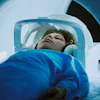
Australian authorities are investigating the death of a Melbourne woman who died from a contrast reaction during a heart CT scan as part of a workplace wellness program for senior executives, according to an article published on 6 May in the Age.
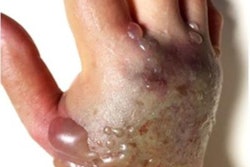
Peta Hickey, 43, died eight days after the heart CT scan, having experienced an anaphylactic reaction resulting in multiple organ failure, according to the article. She received the scan as part of a wellness program started by her employer after a colleague nearly died of a heart attack.
The inquest is focusing on the radiologist on duty at the time of the scan, Dr. Gavin Tseng of Future Medical Imaging Group. Tseng was in charge of speaking with Hickey before injecting the contrast, and he told investigators that he initially thought she was having an intracranial reaction and allegedly was unaware seizures were a symptom of severe anaphylaxis.
 Dr. Gavin Tseng. Photo courtesy of Paul Jeffers.
Hickey wasn't given potentially lifesaving adrenaline because Tseng said he could not do two things at once -- instructing center staff in administering adrenaline while he was managing her airway support, according to the story.
Tseng said the staff on hand were administrative and radiography personnel and not medical practitioners. He also said that only one medical practitioner or nurse is assigned to Future Medical Imaging Group clinics at any one time.
"This is a really important story: It reminds us that we are first and foremost medical practitioners and we must be able to manage a team and direct and/or administer appropriate treatment. We must never give a medication (including contrast agents) if we cannot manage the known risks, with anaphylaxis being the most serious of all," a source told AuntMinnieEurope.com on 8 May.
"Even in a public hospital, there is no guarantee that a medical emergency call will be responded to in a timely manner: it would just take two at the same time for one patient to be at risk of missing out. All radiologists need to know, and have rehearsed, what to do," said the source, adding that an anaphylaxis management chart next to the workstation may be a good idea.
The inquest into the death is likely to continue for three weeks.
The Australian Commission on Safety and Quality in Healthcare Commission, which sets standards for clinical care, has produced information about acute anaphylaxis clinical care.