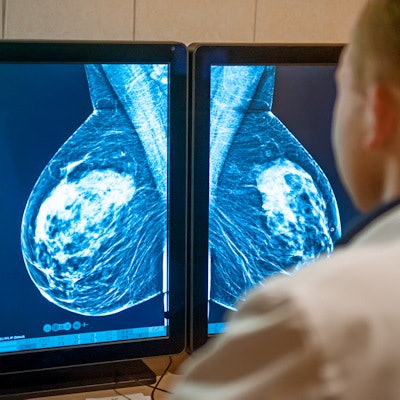
Breast cancer rates are rising for women around the world, according to research published in the August edition of the Lancet Global Health. What's more, women in less developed nations are far more likely to die of the disease.
An international team of researchers analyzed breast cancer incidence in 41 countries from 1998 to 2012. They broke down rates by the human development index (HDI) of the countries, a measure created by the United Nations that accounts quality of life, knowledge, and standard of living.
Countries with the highest level of development also had the highest incidence of breast cancer, the researchers found. However, mortality rates were much higher in countries that had low or medium HDI.
Notably, the breast cancer mortality rate for women under the age of 50 was 47% in less developed countries, compared with just 11% in high HDI countries. For women ages 50 or older, the mortality rate was 56% in less developed nations, versus 21% in high HDI countries.
Furthermore, breast cancer incidence increased for women under the age of 50 in high HDI populations. Meanwhile, countries transitioning to higher HDI status instead saw a rise in cases for women ages 50 or older.
 Miranda Fidler-Benaoudia, PhD. Image courtesy of the University of Calgary O'Brien Institute for Public Health.
Senior study author Miranda Fidler-Benaoudia, PhD, said the adoption of a Western lifestyle could be contributing to the rise in postmenopausal breast cancer cases in low or medium HDI countries. This risk could be mitigated by adopting breast cancer screenings or prevention efforts to reduce obesity and alcohol consumption, the authors noted.
Fidler-Benaoudia was also concerned by the increase in younger breast cancer cases among more developed countries, especially because the risk factors for developing breast cancer at younger ages aren't as well known and treatment can have long-term consequences.
"When young people get cancer, the impact on them is huge and it can lead to major repercussions later in life," stated Fidler-Benaoudia in a press release. "For example, the current life expectancy in Canada is around 80 years, so when a person is diagnosed at 30, they could live another 50 years where they are more likely to experience major health, financial, and career repercussions compared to the general population as a result of their treatment."